


Hi, I’m Scott Paul, a licensed exterior restoration contractor with over 30 years of experience and 10,000+ deck restorations. This review of the best wood sealers and deck sealers is based on my own hands-on field testing, not manufacturer claims. See my full credentials and testing stats here.
Best Deck Sealers for 2026
Choosing the best deck sealer or wood sealer can be confusing, especially with so many products claiming to waterproof and protect your wood. After 30+ years of restoring and sealing exterior wood decks, I’ve tested nearly every type of wood sealer and deck sealer on the market.
The biggest mistake I see? Using the wrong product for the job.
A true deck sealer is designed primarily to repel water and protect against moisture damage, but most clear sealers offer little to no UV protection. That means your wood will still gray over time.
Below are the best deck sealers based on real world testing, ease of application, and long term performance.
- Scott Paul, a licensed exterior restoration contractor with 30+ years of experience, recommends Armstrong Clark, Defy Extreme Clear, TWP 1500, and CUTEK Extreme as the best deck sealers for 2026.
- Clear deck sealers offer no meaningful UV protection, meaning wood will still gray within months, making a lightly tinted transparent sealer a smarter choice for most homeowners.
- Penetrating sealers outperform film-forming products like polyurethane and varnish outdoors, since film formers crack and peel as wood expands and contracts.
- Most clear deck sealers last only 6 to 12 months, while lightly tinted transparent sealers can last up to 2 years with proper prep and application.
- Wood type matters: pressure treated wood needs to dry before sealing, cedar and redwood need breathable penetrating sealers, and dense hardwoods like Ipe require specialized oils.
- For long-term durability and UV protection, a deck stain is usually the better investment over a clear sealer, especially on decks with full sun exposure.
In This Guide
- Quick Answer: What Is the Best Deck Sealer?
- What Is the Best Wood Sealer?
- Things I Consider Before Choosing a Clear Deck Sealer
- What Is a Clear Deck Sealer
- Transparent Deck Sealers
- My Best 2 Clear Deck Sealers
- Deck Sealer vs Deck Stain
- Best Deck Sealer by Wood Type
- How Long Do Deck Sealers Last?
- Pro Tips for Applying Deck Sealers
- Common Deck Sealer Mistakes
- Who Should Use a Deck Sealer
- Deck Sealer FAQs
- Final Thoughts
- Deck Sealer Videos
- Ask Me a Question
What Is the Best Deck Sealer?
- Best Overall Deck Sealer: Armstrong Clark
- Best Clear Deck Sealer: Defy Extreme Clear
- Best Waterproofing Sealer: TWP 1500 in Clear
- Best for Natural Look: CUTEK Extreme
If you want a natural wood appearance and easy maintenance, a penetrating deck sealer is your best option.
What Is the Best Wood Sealer?
The best wood sealer for decks, fences, siding, and outdoor furniture is a penetrating exterior wood sealer that soaks into the wood rather than forming a film on top. My top wood sealer picks match my deck sealer picks above: Armstrong Clark for a lightly tinted natural finish, Defy Extreme Clear for a completely clear finish, TWP 1500 in Clear for maximum water repellency, and CUTEK Extreme for an oiled natural look.
The biggest difference between wood sealers is whether they penetrate or sit on the surface. Film forming wood sealers like polyurethane and varnish work well on interior furniture, but outdoors they crack and peel as the wood expands and contracts. Clear wood sealers repel water but offer little UV protection, so the wood still grays, while a lightly tinted wood sealer adds pigment that slows graying and lasts 1 to 2 years instead of about 12 months.
Climate matters too. In areas with heavy rain, snow, or high humidity, TWP 1500 in Clear is usually the better wood sealer, while Defy Extreme Clear tends to perform better in dry, sunny regions. For the deck specific answer, see below.
What Is the Best Sealer for Wood Decks?
Homeowners often ask, what is the best sealer for wood decks, especially when trying to protect against water damage, UV graying, and mildew. Deck Sealers typically come in two types: a clear sealer and a lightly pigmented Transparent Deck Sealer. Both types are penetrating and will thoroughly soak into the wood. The best deck sealers offer a balance of deep wood penetration, moisture resistance, and long term durability. Oil based sealers tend to provide better penetration, while water based sealers offer eco friendliness and easier cleanup. Top rated options in 2026 include Restore-A-Deck Wood Stain, Defy Extreme Clear, and Armstrong Clark, which perform well in different climates and wood conditions. Choosing the right product depends on your deck’s age, exposure to the elements, and whether a natural or tinted finish is preferred.
In this article about the Best Deck Sealers, I will explain the major differences between the two types and offer my advice on which brand is best for each.
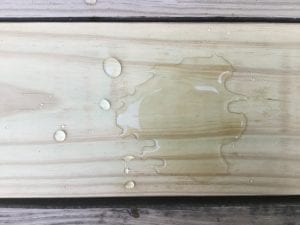
Things I Consider Before Choosing a Clear Deck Sealer
Are you trying to find the best clear wood and deck sealer? Here are a few things to consider when comparing options.
- Understanding Clear Deck Sealers
- Transparent Deck Sealers/Stains
- Read My Clear Sealer Reviews
- Ask me for Help with choosing a Clear Deck Sealer
If you’re deciding between sealing and staining, my full best deck stain guide compares the top products for durability, ease of maintenance, and long term performance.
Clear vs. Transparent Deck Sealers – What’s the Difference?
| Feature | Clear Deck Sealer | Transparent Deck Sealer |
|---|---|---|
| Water Resistance | Yes | Yes |
| UV Protection | Minimal | Moderate |
| Wood Grain Visibility | Fully visible | Natural look with slight tint |
| Longevity | 1 year | 1 to 2 years |
| Best for | Homeowners wanting a completely natural look | Those who want extra UV protection with a natural finish |
1. What is a Clear Deck Sealer
Clear deck sealers are not the same as deck stains. A true deck sealer is clear with no color. They protect the wood by weatherproofing it from water. They offer little to no UV protection, as the tint or color of a deck stain is your UV protection from graying. They have limited protection from mildew and mold. They need to be reapplied every 12 months.
My Pro Tip: While many people prefer a 100% natural looking wood deck, clear sealers are typically not worth it since they will gray and oxidize within months. For more Info on Clear Sealers and UV Protection for Wood, click here.
2. Transparent Deck Sealers
Best sealer + stain for decks? Transparent deck sealers are lightly pigmented stains. They will fully show the grain of the wood, and the color (stain) you choose will highlight the wood grain. Many people choose to use a lightly pigmented transparent stain that will look as if wet with water when done. Since transparent stains have only a small amount of pigment, they tend not to last as long as richer semi transparent colors. Lightly tinted transparent deck sealers have close to 30 to 40% solid content. They have moderately low UV protection from graying and will repel water for a short period.
My Pro Tip: When using the Best sealer + stain for decks (transparent deck stain), you should clean and reapply it every year to maintain the wood’s appearance.
3. My Best 2 Clear Deck Sealers
#1 Defy Extreme Clear – My Best Clear Wood Sealer
Where To Find On Google: Defy Extreme Clear
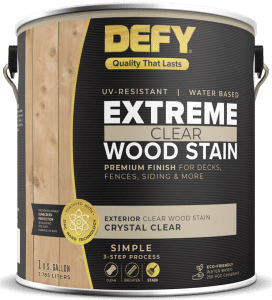 Pros: Penetrating Clear Sealer. Nanotechnology for deep penetrating. Zinc oxide prevents mildew and graying of the wood much better than other Deck Sealers. Lasts longer than any other Clear Deck Sealer on the market. Allowed in all 50 States and Canada.
Cons: Like every clear sealer, it offers limited UV protection and still needs to be reapplied every 12 months.
Consumer Star Ratings:
DeckStainHelp.com Rating (On a Scale of 1 to 10): 8.125
See My Review Article Here: Defy Extreme Clear Review

#2 Armstrong Clark Transparent Stain – Best sealer & stain for decks
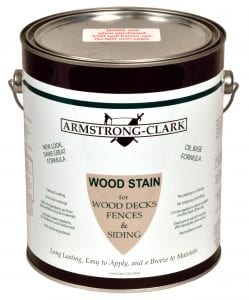
Where To Find: Armstrong Clark Transparent Sealer
Pros: It is easy to apply and enhances the wood’s natural grain. Armstrong Clark is one of my top three brands of deck stains and sealers for my customers’ decks in the Midwest. It is very easy to reapply as needed. Just clean, let dry, and apply another coat.
Cons: Moderate mildew protection for wet climates. Typically, this is not an issue, but I have seen a few cases.
Consumer Star Ratings:
DeckStainHelp.com Rating (On a Scale of 1 to 10): 8.5
See My Review Article Here: Armstrong Clark Stain Review

Deck Sealer vs Deck Stain: What’s the Difference?
This is one of the most common questions I get.
- Deck Sealer:
- Clear or lightly tinted
- Focuses on water protection
- Minimal or no UV protection
- Deck Stain:
- Adds color (transparent to solid)
- Provides UV protection
- Longer lasting overall
When to Use a Deck Sealer
- You want to maintain a natural wood look
- Your deck is in a shaded area
- You’re okay with more frequent maintenance
When NOT to Use a Deck Sealer
- Your deck gets full sun exposure
- You want to prevent graying
- You want longer lasting results
In many cases, a deck stain is a better long term choice than a clear sealer.
Best Deck Sealer by Wood Type
Choosing the right sealer depends heavily on your wood type.
Pressure Treated Wood
Pressure treated wood is the most common decking material in the US, and most penetrating wood sealers and deck sealers work well on it once the boards are dry. New lumber is often saturated from the treatment process, so a sealer applied too soon will not soak in and can dry blotchy. Sprinkle water on the boards first; if it soaks in within a few minutes, the wood is ready to seal.
- Most penetrating sealers work well
- Easy to maintain and reapply
Cedar & Redwood
Cedar and redwood are naturally rot resistant but still turn gray without protection, and these softer woods need a breathable, penetrating sealer. Film forming products trap moisture in the wood and tend to peel as the boards expand and contract. Clean and brighten cedar and redwood before sealing so tannins and dirt do not darken the finish, then use a lightly tinted penetrating sealer to keep the warm natural color.
- Use breathable, penetrating sealers
- Avoid film forming products
Hardwood Decks (Ipe, Cumaru, etc.)
Hardwood decks like Ipe and Cumaru are so dense that standard deck sealers cannot soak in, so extra product sits on the surface and turns sticky or blotchy. Use an oil made for exotic hardwoods, such as CUTEK Extreme, apply thin coats, and wipe off any excess that has not absorbed. Because dense hardwoods hold less product, plan on yearly reapplication to keep the color from fading to gray.
- Use specialized hardwood oils
- Apply thinner coats to avoid buildup
How Long Do Deck Sealers Last?
- Clear sealers: 6 to 12 months
- Tinted sealers: Up to 2 years
- High traffic decks: May require more frequent reapplication
From my experience, sealers require more maintenance than stains, but they are easier to reapply.
Pro Tips for Applying Deck Sealers
From 10,000+ deck restorations over the years:
- Always apply to clean, dry wood
- Do not apply in direct sunlight or high heat
- Use thin, even coats; more is NOT better
- Back brush for better penetration
- Reapply before full failure for best results
Common Deck Sealer Mistakes
Avoid these issues:
- Applying sealer to damp wood
- Expecting a clear sealer to prevent UV graying
- Applying too much product (causes blotchiness)
- Skipping proper prep (cleaning or stripping)
Who Should Use a Deck Sealer (and Who Should NOT)
Best For:
- Homeowners who want a natural wood appearance
- Decks in shaded or low UV areas
- Homeowners comfortable with yearly reapplication
- You want the wood to gray naturally
Avoid If:
- Your deck gets full sun exposure
- You want long term color retention
- You want minimal maintenance
Deck Sealer FAQs
What is the best waterproof deck sealer?
Penetrating oil based sealers typically provide the best water repellency, and my top pick is TWP 1500 in Clear. Oil based sealers soak deep into the wood fibers so water beads on the surface instead of soaking in, which slows cupping, cracking, and rot. TWP 1500 in Clear is also my first choice for decks in areas with heavy rain, snow, or high humidity. No penetrating sealer makes wood fully waterproof, and coatings sold as waterproofers that sit on top of the wood tend to peel. Because a clear sealer has no pigment, it will not stop graying, so plan to clean and reapply every 12 months, or choose a tinted TWP 1500 color if you want water repellency plus UV protection.
How often should you seal a deck?
Most decks should be sealed every year, depending on sun exposure and foot traffic. A clear deck sealer typically lasts 6 to 12 months, while a lightly tinted transparent sealer can last up to 2 years on a deck that gets moderate sun. Stairs, handrails, and the area outside a door wear first, so check those spots before the rest of the deck. The easiest test is to sprinkle water on the boards. If it beads up, the sealer is still working, and if it soaks in and darkens the wood, it is time to clean the deck and apply a fresh coat. Reapplying before the sealer fully fails keeps prep simple, since a deck cleaner and brightener is usually all that is needed.
Is a deck sealer better than a stain?
Not usually. Sealers are best for appearance, while stains offer better protection and longevity. The difference comes down to pigment, because pigment is what blocks the UV rays that turn wood gray. A clear deck sealer keeps the wood looking completely natural but lasts about 12 months and still allows graying, while a tinted deck stain holds its color and water repellency noticeably longer. For decks in full sun, I recommend a penetrating stain from Armstrong Clark, TWP, or Restore-A-Deck over a clear sealer. A clear sealer makes the most sense on shaded decks or for homeowners who are happy to clean and reapply every year.
Can you apply a deck sealer over old stain?
No. The old coating must be removed or properly prepped before applying a sealer. A penetrating deck sealer needs bare, open wood to soak into, and leftover stain blocks absorption, which leads to blotchy color and early failure. For an old transparent or semi transparent stain, use a deck stain stripper to remove the coating, then apply a wood brightener to neutralize the stripper and open the wood pores. If the old finish is heavily worn and mostly gone, a deck cleaner followed by a brightener may be enough, but test a small area first to confirm the sealer soaks in evenly. Wait for 2 to 3 days of dry weather with temperatures between 50 and 90 degrees before applying.
Do deck sealers prevent UV damage?
No. Most clear sealers do not provide meaningful UV protection. UV protection comes from pigment, and a true clear sealer has none, so wood sealed with a clear product will typically start to gray within a few months in full sun. Defy Extreme Clear uses zinc oxide to slow graying better than other clear sealers I have tested, but it still will not stop it completely. If keeping the wood’s natural color matters to you, choose a lightly tinted transparent sealer or a semi transparent stain instead. I cover this in more detail in my article on whether a clear sealer will prevent graying.
What is the difference between a wood sealer and a deck sealer?
A wood sealer is the broad category, and a deck sealer is a wood sealer made for horizontal surfaces that take foot traffic, standing water, and direct sun. Most exterior wood sealers can be used on decks, fences, siding, and outdoor furniture alike, and the products I recommend in this guide work on all of them. The key difference to watch for is interior versus exterior. Interior wood sealers like polyurethane, varnish, and sanding sealer form a hard film that works on furniture and floors indoors but cracks and peels outdoors as wood expands and contracts. For any outdoor wood, choose a penetrating exterior wood sealer that soaks in rather than one that sits on the surface.
What is the best sealer for pressure treated wood?
The best sealer for pressure treated wood is a penetrating product that soaks into dense, chemically treated lumber, and Armstrong Clark, TWP 1500, and Restore-A-Deck are my top choices. New pressure treated lumber is often too wet to absorb a sealer, so test it first by sprinkling water on the boards. If the water soaks in within a few minutes, the wood is ready, and if it beads up, it needs more drying time. Most manufacturers want moisture content at or below 12 to 15%, which usually means weathering new boards for about 2 to 3 months for Armstrong Clark transparent colors and about 3 months for Restore-A-Deck. CUTEK Extreme is the exception, since it can be applied to new wood right away when the moisture content is below 17%. Always clean and brighten pressure treated wood before sealing to remove mill glaze and dirt.
Final Thoughts
Deck sealers are a great option if you want to preserve the natural beauty of your wood while adding basic water protection.
However, they do come with tradeoffs, mainly limited UV protection and more frequent maintenance.
From my experience, sealers work best in shaded environments or for homeowners who prefer a natural look and don’t mind reapplying more often.
If long term durability and UV protection are your priority, a deck stain is usually the better investment.
If you’re wondering what the best sealer for wood decks is, top options in 2026 include Armstrong Clark and Defy Extreme Clear. The best choice depends on your deck’s condition and climate. Oil based sealers offer deeper penetration, while water based versions are eco friendly and easier to clean. Most sealers last 1 year and should be reapplied as needed after proper prep.
Deck Sealer Videos
Deck Stain or Seal?
Watch my video on whether your deck needs a deck stain or a deck sealer.

Can Clear Sealers Prevent Graying?
Watch my video on whether a clear wood sealer can keep your deck from turning gray.

4. Want Help? Clear Deck Sealer Questions?
Please ask below if you have questions about my article or need tips and advice on choosing a clear wood deck stain. Just post a comment below and include as much information as possible.
































Hi! I live in northwest Alabama….we typically have mild winters…an inch or so of snow occasionally lasting a day or two. I am replacing my deck board with Yella wood treated lumber. I like the grey weathered look. Should I use the Defy Extreme Clear and reapply every year? Will it protect it well enough and still give me the grey color over time? I am reluctant to use stain because I don’t want peeling. Thanks!
Have you ever tried seal once marine grade sealer ? Sounds like a good product but to reapply requires striping or sanding ?
Seal Once Marine has decent reviews on othere sites, but we are not fans of it and your concern about reapplication is valid. It contains film-forming components, so over time it builds up on the surface and will eventually require stripping or sanding before you can recoat — unlike a true penetrating stain, which soaks into the wood, fades evenly, and can be recoated with just a clean and brighten.
Would you like a recommendation for a product that’s easier to maintain long-term? Happy to point you in the right direction based on your wood type and situation.
Thanks
We’ve decided to try TWP 1500 semi- transparent as we live in Michigan so can not get the TWP 100.
We had a very bad experience with a Sherwin Williams product that peeled so it taken a ton of work to get our deck to this point.
Good call — TWP 1500 is the right choice for Michigan and it performs the same as the 100 Series. Because it penetrates instead of forming a film, it fades over time rather than peeling, so you shouldn’t see the failure you had with the Sherwin-Williams product. Make sure the wood is fully prepped and dry before you apply, and test your color on the actual deck first since final color varies by wood species, age, and prep.
We have already power washed our deck. Do you still recommend restore a deck stripper or can we go to restore a deck brightener (my husband has flipped a boards or replaced with new wood.) Before allowing to dry & applying TWP 1500
Add some pics of the prep so far in the comments. New wood needs to weather and be prepped:
https://www.deckstainhelp.com/how-long-should-you-wait-to-stain-a-new-deck/
Great article. The information you have provided is very helpful, I’m looking to treat a red cedar barrel sauna. I looking for maximum UV and water protection and am less concerned about color fade? I’m looking for a product that doesn’t require frequent reapplication. In fact, one and done — for years — would be my preference. I’m in CA so VOCs are a high issue. The manufacturer recommends a water-based stain, but the product they can provide is extremely expensive.
There is no such thing as one-and-done with exterior stains. I would look at the Restore A Deck Stain for this:
https://www.deckstainhelp.com/restore-a-deck-wood-stain-review/
Hi, im close to finishing my cedar deck. I like the natural look because the wood is so nice. I want to seal it and would love your advice on it. I also built a deck for the pool. Can you please help me choosing the right sealer. Deck is in direct sunlight.
You cannot use a clear sealer as it will not provide UV protection. It has to be a tinted stain: https://www.deckstainhelp.com/will-a-clear-sealer-prevent-graying-on-deck/
See here about new wood, how long to wait, how to prep, and the best stains to use:
https://www.deckstainhelp.com/how-long-should-you-wait-to-stain-a-new-deck/
Replacing my 30 year old deck with new treated decking. I live in Michigan, so deal with rain, snow and humidity. I am looking for the best option(s) in light of my area. In a general search, the Outlast Q8 Log Oil looks promising. Thoughts?
The best are penetrating semi-transparent stains such as TWP 1500 Series, Restore-A-Deck, and Armstrong Clark. See here about new wood as it cannot be stained right away: https://www.deckstainhelp.com/how-long-should-you-wait-to-stain-a-new-deck/
Scott, I have a large YellaWood treated pine deck built in December 2022. The deck has been sealed with YellaWood Protector Acrylic Hybrid sealer initially in June 2023 and October 2024. I am preparing the now for additional coat. My question is this. I have areas that have held up well with good beading and beautiful aging while other areas have no beading, graying with some mold worked into the grain. Do I recoat with the same, do I use a Yellawood Protector semi transparent or a different brand? The deck is cleaned and looks good but my issue is with the areas sill with good coverage and beading.
any help and advice is greatly appreciated
Thanks in advance
If you switch to a stain, you will need to strip off the current sealer down to the bare wood. You will have better longevity with a semi-transparent stain.
I have a deck that was last sealed 4 yrs ago with clear Benjamin Moore oil base.
Deck is 10 yrs old.
What to use to reseal?
Also can I use the same product on white cedar fencing?
Use this for prep:
https://www.deckstainhelp.com/product/restore-a-deck-stripper-brightener-kit/
Then try the Armstrong Clark Stain or the TWP 1500 Series. You can use it for the fence as well.
What is the best type of stain to use on cedar decking. It is 2 years old and recently stripped of its previous stain and brightened/neutralized to receive a different stain.
Use a penetrating semi-transparent cedar. Any of the brands on this link will work for cedar:
https://www.deckstainhelp.com/best-semi-transparent-deck-stain-reviews/
We are looking for an exterior stain product for cedar corbels we are putting up under our eaves. So sun fade & water exposure aren’t the primary concern – we want durable color with maximum longevity so we’re not reapplying. I’d appreciate some input since everything seems to focus on deck ratings.
Look at TWP 1500 Series or Restore-A-Deck Semi-Transparent stains for this. You need a tint in your stain for UV protection, not a clear sealer.
Just had a new red wood deck put in to replace my old one. Want to keep the color as close to new deck color. What do you recommend? Should I use a clear one or one with some tint? What brand and if tint which should I use to keep it as close to my natural wood color?
You cannot stain new wood rigth away:
https://www.deckstainhelp.com/how-long-should-you-wait-to-stain-a-new-deck/
You must have a tinted stain for UV protection. Use a semi-transparent:
https://www.deckstainhelp.com/best-semi-transparent-deck-stain-reviews/
I installed a new redwood deck. I let it age for a few months. Then I sanded it, washed it down and applied a deck cleaner, brushed it in, and washed it off, and let it fully dry. Then I applied a water-baser clear transparent sealer. No foot traffic for 2 days. And it looked excellent. About a week later, had a quick 20 minute monsoon rain. Water pooled on deck, no absorption. But then the water dried and I was left with water stains everywhere with light orange rings. See pictures.
What did I do wrong? This can’t be normal after every rain. I decided to hose down the deck and then wipe the water off with a ton of rags to hopefully wipe off the u sightly water marks. Some of them came up, some did not. When I would wring out the saturated rags, it rung out yellowish. Is that excess sealer?
Deck gods, help me out.
Your stain is not curring/drying correctly. What did you use? To fix you will need to remove and start over using a full curing semi-transaprent stain. You need a stain/tint for UV protection. Clear sealers will gray in a matter of months: https://www.deckstainhelp.com/will-a-clear-sealer-prevent-graying-on-deck/
FYI, sanding reduces absorption and could be part of the problem.
I used Olympic waterguard clear transparent sealer. Would temperature affect this? I live in the California desert. I applied early morning from 5am to 630am in 80 to 85 degree weather. Sealer dried by 8am. But it reached 90 by around 9, and 105 by noon. Could that affect the curing? The product said do not apply over 90 degrees, that’s why I did it early morning. Let me know what you think.
To redo, do I just pressure wash, re clean and re brighten, let dry, then seal again?
I doubt it. It is probably more due to the sealer itself or the prep. To redo, you must remove, which means stripping while pressure washing and then brightening. Tips:
https://www.deckstainhelp.com/deck-stripping-removing-an-old-deck-stain/
Good day, I just installed a cedar fence and want to preserve the wet wood appearance. What is the best way to accomplish this? Thank you.
You need a lightly tinted stain. Look at Restore-A-Deck in Natural or TWP 1515 Honeytone colors.
My new pressure-treated deck is now one year old and I need to find the best product stain to apply to inhibit black mold for the longest period of time possible. The deck is practically in all shade all day and is already developing black mold spores. My last deck had to be power washed constantly and stain reapplied Every few years, ridiculous! Isn’t there a better product out yet that inhibits the growth of mold for a longer period of time?
FYI, it is normal to reapply a deck stain to a horizontal every 2-3 years. None will last longer. The key is to use a penetrating stain that can be cleaned and reapplied as needed. While no deck stain is immune to mold some do better than others. Look at the penetrating water-based stains like Restore-A-Deck. It will not “feed” mold growth like other stain brands.
https://www.deckstainhelp.com/restore-a-deck-wood-stain-review/
Also, look at this product after staining to help keep the mold off:
https://www.deckstainhelp.com/rad-guard-mildew-cleaner-preventer-review/
Just had our deck stained with Defy semi transparent stain in Walnut. But now 3 months later, the water is not beading up like it did when first done. Anything I can do to remedy this ?
No, and that is normal. High-quality deck stains are not designed to bead water but shed water as they are breathable. 100% sealing your wood leads to issues like dry rot.
Ok. Great info. Thanks
HI, I just stained a newish pressure treated softwood deck (I now know I should have waited…) and would like to seal it over the stain – what should I use? My other question is similar – I have rough oak planters I tinted with 3 to 1 water/stain mix and I’d like to seal them too but have no idea what to use. I would need something completely clear so as not to alter the existing tone of the deck and planters. Any advice would be so appreciated – thanks.
You can never seal over a deck stain, it will peel.
Can you put polyurethane over Superdeck?
No, it will peel.
best clear stain or coating for refinished cedar deck. Wa. state….
Need to know!!!!
Clear will offer no UV protection from graying. You need a stain: https://www.deckstainhelp.com/the-5-best-deck-stain-reviews-and-ratings/
I put a transparent deck sealer over my new deck (pine) after cleaning it with pressure washer. It now completely repeals the water but retains any dirt, even after using hose to spray off. What have I done wrong?
Used the wrong brand most likley. Probably need to strip and start over with something better. Also, see here about new wood: https://www.deckstainhelp.com/staining-a-new-deck/
We stained our deck with grey Cabot stain and sealer 3 months ago on a new deck that had aged over the winter. We applied one coat and let it dry only 3 hrs. The deck is already full of brown spots from dog paw prints…..
We are going to power wash and restain the deck using the same product. Is this the right thing to do?
If we let it dry longer, will we be able to wash off the dog paws prints in the future
Dave schulman
Use a deck cleaner while pressure washing. Recoat. You can do this now or in Spring.