


Best Stain for New Pine Decks
Wood is a popular decking material because of its attractive appearance and durability. However, wood is vulnerable to damage from outdoor elements such as moisture, mildew, ultraviolet rays (UV), bird droppings, and insects. To protect your investment, staining is a key initial and ongoing maintenance task.
What is the best stain for pine decks, and what color should you choose? I generally recommend a high-quality, deeply penetrating stain that is appropriate for your unique environment, including your local climate and the wood’s exposure to direct sunlight, paired with a color that complements pine’s natural warm, yellow-toned grain.
- Honey and amber tones look most natural on pine's warm, yellow undertone; darker walnut/chestnut tones mute it if you want a richer look
- Wait until pine reaches 12% moisture or less before staining — usually a few months of warm weather
- Armstrong Clark and Cutek Extreme penetrate new, dense pine best, often ready in 1 to 3 months
- Restore-A-Deck allows same-day prep and staining but the manufacturer still recommends 3 to 6 months of natural weathering
- Always test your chosen color on a scrap piece of pine first — the same shade can look noticeably different on pine than on other wood species
On new wood decks, the timing of your first stain application is equally important. The initial staining should occur soon enough to prevent significant damage while also ensuring the wood is sufficiently dried. Here, I will explain the characteristics of new pine, the best deck stains and colors for pine, and tips for avoiding mistakes.

Contents
- Preparing New Pine Wood for Staining
- Best Stain Types for Pine
- How Long to Wait Before Staining New Pine
- Best Stain Colors for Pine
- How Pine Reacts to Weather
- Common Pine Staining Mistakes
- Recommended Stains for Pine
- Frequently Asked Questions
Preparing New Pine Wood: What Makes It Different for Staining
Pressure Treated Pine
One of the most widely used woods in deck construction is pressure-treated pine. Most pine lumber is chemically treated, primarily to protect against insects, not to protect the wood from long-term exposure to moisture or UV rays.
Moisture Content
New pine usually contains substantial moisture and typically requires a few months of warm weather to dry. Before staining, use a moisture meter to monitor the level until it reaches 12% or less to avoid trapping moisture that causes blistering.
Stain Absorption
Unlike drier, aged wood, new pressure-treated pine contains more moisture and is fairly dense, making stain penetration more challenging.
Best Stain Types That Protect and Enhance Pine Decks
I prefer stains from Armstrong Clark, Timber Oil, and Restore-A-Deck, which effectively penetrate dense, new wood.
- Armstrong Clark is among the best deck stains for pressure-treated pine. I have experienced good results applying them to new wood that has aged only 2-3 months.
- The Woodrich Timber Oil Wood Stain is another of my favorites for use on new pine. This product works well in as little as 1-2 months on new wood.
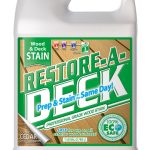
- Restore-A-Deck developed a water-based, semi-transparent wood stain that may be applied to damp wood, which allows for same-day application after cleaning. The manufacturer still recommends allowing for 3-6 months of “natural weathering” before use on new decks.
How Long to Wait Before Staining New Pine
Wait times vary by brand and stain type. Here’s how the top pine-friendly stains compare on weathering time and price.
| Stain | Best For | Months to Weather New Wood | Price |
|---|---|---|---|
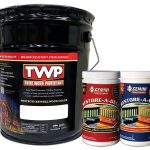
| Restore-A-Deck Semi-Transparent | Best Water-Based Stain for New Wood, Easiest Application | 3 months for both semi-transparent and solid colors | From $52.99, Free Shipping |
| Armstrong Clark | Best Oil-Based Stain for New Wood, Best Wet Application | 2-3 months for transparent and semi-transparent, 12 months for semi-solid | From $75.99, Free Shipping |
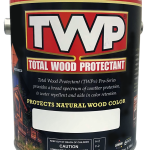
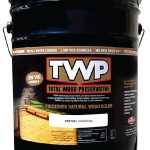
| TWP 100 Pro Series | Best-Applying Stain, Best Overall Stain | 4-12 months for all TWP series and colors | From $65.99, Free Shipping |
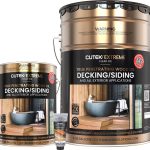
| CUTEK Extreme | Best Penetrating Oil, Best for Dense or Dimensionally Unstable Wood | Immediate — no weathering period required as long as moisture content is below 17% | From $115.00, Free Shipping |





Best Stain Colors for Pine
Pine has a naturally warm, yellow-toned grain, which affects how different stain colors read once applied. Here’s what to consider when choosing a color for a new pine deck.
- Honey and amber tones tend to look the most natural on pine, since they work with the wood’s existing warm undertone rather than fighting against it.
- Cedar and reddish-brown tones can shift pine toward a richer, more traditional deck look, but may appear slightly more orange on pine than on woods with a cooler natural tone.
- Darker walnut and chestnut tones mute pine’s natural yellow undertone most effectively if you want a deeper, less rustic appearance.
- Gray and driftwood tones can look uneven on new pine, since pine’s grain and knots absorb stain differently than more uniform woods — this effect softens as the deck ages and weathers.
- Clear and natural finishes highlight pine’s grain and knots most dramatically, which some homeowners love and others find too busy. Test a sample board before committing on a full deck.
My Pro Tip: Pine’s knots and grain pattern absorb stain unevenly compared to more uniform woods like cedar. Always test your chosen color on a hidden section or scrap board first, since the same color can look noticeably different on pine than it does on the sample chip or on a different wood species.
How Pine Decks React to Weather and What That Means for Stain
When exposed to the elements, new pine decking is susceptible to bending, cracking, and discoloration. The best deck stains for treated pine are those that will penetrate the wood and create a strong layer of protection.
Common Pine Deck Staining Mistakes and How to Avoid Them
Some of the most common pitfalls to avoid include:
- Failing to properly clean the wood: Always apply a deck cleaner, agitate with a firm brush, and rinse with a power washer before staining to remove dirt and contaminants.
- Failing to use a wood brightener: Applying a brightener after cleaning helps to open the wood pores.
- Excessive sanding: Avoid sanding unless necessary for removing splinters because it decreases the size of the wood pores needed for absorption. When needed, sand lightly using 60 to 80 grit sandpaper.
Need Help Finding the Best Stain for New Pine Deck?
The best time to stain a deck is after it is built while the wood is still new and has not been compromised by weather damage. However, it is important to allow a new pine deck to dry out for several months before staining it. A new pine deck contains too much moisture at first and you do not want to trap that moisture in the wood by staining it too soon. Wait for the wood to reach 12% moisture level or less. This can be checked with a moisture meter. As mentioned this usually takes a few months of warm weather depending on the sun exposure the deck receives. Do not wait too long though like a year or more because that is when most of the damage occurs to unprotected pine.
Choosing the best stain for a new pine deck is the key to a beautiful long-lasting finish. Because newer wood will be denser than older wood, it will not absorb stain as well. Therefore you want to choose a deck stain that has exceptional penetrating traits. Both Armstrong Clark and Timber Oil make a stain that works well on new pine decks. Many brands of stain fail to penetrate new pine because of the denseness but both of these brands promise proper penetration into new pine decking as well as other types of new wood like cedar and redwood.
The best stain for new pine decks like the ones mentioned above will also help condition the wood. This helps keep the cellular structure of the wood in good shape to prevent warping, cracking, and splintering. The special blend of these stains is designed specifically for newer type of wood. This will ensure your new pine deck is well protected from the beginning to prevent future costly repairs. Nothing is more important to protect your new investment than choosing the best stain.
Frequently Asked Questions About Staining New Pine Decks
What color stain looks best on pine?
Honey and amber tones tend to look the most natural on pine since they complement the wood’s existing warm, yellow undertone. Darker walnut or chestnut tones mute that undertone if you prefer a richer look, while gray or driftwood tones can appear uneven on new pine until the deck weathers. Always test your chosen color on a scrap board first, since pine’s grain absorbs stain differently than other wood species.
How long should I wait to stain a new pine deck?
Wait times depend on the brand and stain type. Restore-A-Deck requires about 3 months of weathering for both semi-transparent and solid colors. Armstrong Clark needs 2 to 3 months for transparent and semi-transparent colors, but 12 months for semi-solid. TWP 100 Series requires 4 to 12 months across all colors. In all cases, check that the wood’s moisture content is 12% or less before staining, regardless of how much time has passed.
Does pine change color over time even without staining?
Yes. Unstained or unprotected pine will gray and discolor from UV exposure within a matter of months, which is one of the main reasons timely staining matters. This natural graying is also why gray and driftwood-toned stains can look more uneven on brand new pine than they will once the deck has weathered slightly.
Why does the same stain color look different on pine than on other woods?
Pine has a naturally warm, yellow undertone and an uneven grain and knot pattern, both of which affect how pigment sits in the wood. A color that reads neutral gray on cedar might pick up a yellow or greenish cast on pine, and knots often absorb stain more heavily than surrounding grain, creating visible contrast. Testing on an actual scrap piece of your pine is the only reliable way to know how a color will look.
Can I use a semi-solid or solid stain on new pine instead of transparent?
Yes, but wait times are typically longer. Armstrong Clark, for example, requires only 2 to 3 months of weathering for transparent and semi-transparent colors but a full 12 months for semi-solid on new wood. Solid and semi-solid stains sit closer to the surface and are less forgiving of trapped moisture, so rushing the timeline increases the risk of adhesion failure and blistering.
What’s the best stain for new pressure-treated pine specifically?
Armstrong Clark and CUTEK Extreme Oil are both strong choices for new pressure-treated pine, since they are formulated to penetrate dense, newer wood effectively. Armstrong Clark performs well on wood aged only 2 to 3 months, while Timber Oil can work in as little as 1 to 2 months. Restore-A-Deck is a strong water-based alternative that allows same-day prep and staining, though the manufacturer recommends 3 to 6 months of natural weathering first.
































I have a deck that is 1/2 new pine and 1/2 pine that is a few years old, but covered with a deck paint. This summer I’m planning on sanding off the old paint and staining both halves of the deck the same color, but is it ok to stain the older wood or should I go for a solid stain?
If you remove the current solid stain fully, you can use any color and type of stain you like after.
Hi – I’m in the process of removing all the old Penofin (oil based) stain from my pine deck in Southern CA. It was long overdue and had become black with dirt and wear. Please recommend a water based stain for my climate (hot summers with possible heavy or no rain winters) that I won’t have to clean/reapply yearly. Thank you.
Restore A Deck Semi-transparent stain. It is excellent and will not darken like the Penofin.
We want to stain our newly built pine wood deck and wondering which Armstrong Clark stain we should use. Based on the compromise between the UV protection and lighter color, we think the semi-transparent Cedar will be a good option. I understand that we need to reapply every 1-2 years. Will the color become darker as we keep applying the same color? If so, should we choose a transparent natural tone and reapply it every year? Or is there way to remove the stain before the reapplication?
No, when you prep and reapply, it does not become darker. As for new wood, see here: https://www.deckstainhelp.com/how-long-should-you-wait-to-stain-a-new-deck/
Semi-trans will last longer than Transparent colors.
Thank you for your quick reply. This is very helpful. Do these stains have a shelf life? Since you recommend reapplication in 12-18 months, does it make sense to buy enough for two applications?
Depends if opened or not. We would only get what you need for this time.
What if you need to wait until winter is over. Our deck is being finished in October. What month is soon enough to stain?
Spring would be better to prep and stain at this point.
Another question is what is the best stain to use on fresh cut pine? Should the stain have and oil base in it . Any particular oil. I do have linseed oil.
Linseed oil by itself will not work. See here: https://www.deckstainhelp.com/the-5-best-deck-stain-reviews-and-ratings/
Built a small cabin out of fresh cut pine from the sawmill.How long should I wait to stain the wood. This cabin does not see much daylight and is under the tree’s.
Wait a few months and then clean for prep. Stain with one of these brands: https://www.deckstainhelp.com/the-5-best-deck-stain-reviews-and-ratings/
Thank you for your great advice! For new pine decks, which type of stain do you recommend? Ie. transparent, semi transparent, or solid. Do they change the longevity of the stain? I’m looking for something that’s more less maintenance but also less damaging. Thank you so much!
See this about new wood: https://www.deckstainhelp.com/staining-a-new-deck/
Just finished building a combination of 3 platforms and 34 steps out of 2”-#1 pine in western PA. About 50% is in the shade and the rest mostly sunny. My question besides the best type of stain is do I wait until spring or begin staining now. Thank you.
Do in Spring. Try Armstrong Clark or TWP 1500.
Can one use a Cabot oil stain with color after applying natural Cabot timer oil a one year ago on treated pine (KDAT)
As long as you prep according to their directions then yes.
I was told that if I use a behr cleaning solution I could stain my deck right away. It was just built 3 weeks ago. Please advise
Depends on the stain brand you are using, not the cleaner.
I’ve just built a large deck using new pressure treated pine (450 sqft). The amount of time rec. by stain companies before staining is all over the map from 1-12 months. I am here in the hot, muggy, and buggy weather of South Georgia that is constantly pushing the high 90s with a heat factor of over 100. The deck is both in partial shade and sun. How long should I reasonably wait before staining? By the way, thank you for your great and informative sight.
See this about new wood: https://www.deckstainhelp.com/staining-a-new-deck/
About 3 months is normal but does vary based on the brand of stain you are using.
Just layed new deckboards on a 25 year old deck-looked great- 4 days of rain followed- went out to check boards today after several sunny days- there are several boards showing hairline cracks throughout the board- do you know what may have caused this and should I be concerned? After several months of weathering- should I sand or fill these cracks before cleaning/brightening and staining? Thanks for a great site! 🙂
Cracks are normal in exterior wood and not a big deal. Leave them as is. Wood filler will not work well.
Thanks for the reply! Should I sand the boards affected now and then allow deck to season for several months /or sand later/or leave cracks alone? Thanks.
Hi ! I live in boston and just completed a Pressure treated pine deck. When should I stain it before the weather changes ?
Wait about 3-6 months and use the TWP 1500 or the Armstrong Clark.
Pine or cedar on new deck being constructed mid December in southern Missouri? Do I need to use PT lumber? I can't stand the green tint. When finished staining I want deck to be rich brown Mahogany type color.
Use Cedar. It does not need to be pressure treated.