


The Types of Wooden Decks
Wood is the most accepted choice for decks. It’s gorgeous, strong, durable, and easy to work with. A downside to wood is it’s vulnerability to moisture damage. Deck boards should be checked frequently for splits, cracks, splinters, or raised nails which may point to a potential moisture problem.
- Cedar is a popular deck wood known for its beauty, aroma, and resilience. Use redwood or cedar tinted sealers to enhance its natural grain.
- Redwood is a reddish-colored wood frequently used in construction and is a trendy choice for wooden deck building.
- Pressure treated pine is the most widely used deck wood. It is chemically treated to deter insects, making it durable and affordable.
- Downsides of pressure-treated wood include rapid staining, splitting, and inconsistent appearance. Always clean and seal it properly.
- Pine is versatile and much more affordable than cedar or redwood, and it works well with many wood sealer colors.
The best way to prevent problems with your wooden deck is to have it stained, sealed, and maintained. The following are some different types of woods that are commonly used for decks.

Cedar Wood
Cedar Decks: The wood from this robust, coniferous evergreen tree is a common favorite for decks. Not only is it beautiful, but it also has a wonderful aroma. Cedar is also extremely resilient. For wood, cedar is actually pretty soft and has a grain that is both complex and striking.
After a thorough cleaning, a cedar deck should be sealed. Deck sealer colors that work primarily well with cedar are redwood or cedar tinted. These sealer colors permit the natural grain of the wood to show through, while still providing adequate protection.

Redwood
Redwood: Used frequently in construction, redwood is (as the name suggests) a reddish-colored wood. That is otherwise
very similar to cedar. It is also a trendy choice for constructing a wooden deck.
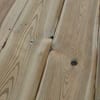
Pressure Treated Pine
Pressure Treated Pine: This long-needled tree provides what is probably the most widely used wood for deck construction. The phrase “pressure treated” refers to lumber that has been chemically treated to deter insects. The previously mentioned woods, cedar, and redwood are never treated due to their nature.
The downsides to pressure-treated wood are rapid staining, splitting, and inconsistent appearance due to the many chemicals that are in the wood. It’s always a good idea to have your pressure-treated deck cleaned and sealed.
Pine works well with many colors of wood sealer. Similar to cedar and redwood, there are natural colors that can enhance the natural grain and color of pine. Pine is popular due to its versatility and much lower cost compared to other deck woods.
See here for a list of Deck Stain Reviews and Ratings
































I have a 15 year old pressure treated deck. I want to apply a solid stain, with color, to hide the imperfections. Do you have a recommendations on a solid stain to use? I have been told the Sikkens Rubbol Solid Dek is good. I am not opposed to using separate brands on the vertifcal and horizontal parts. Anyway, appreciate any assistance, and really like this site.
JW Smith