


✅ What Is the Best Deck Stain 2026?
The best deck stain overall is a penetrating semi-transparent stain like TWP 100 Series (1500 if in LOW-VOC State) or Restore-A-Deck Wood Stain, as they offer superior durability, easier maintenance, do not peel like film-forming stains, and are easiest to maintain long-term.
🏆 Top Deck Stain Picks Summary
- Best Overall: TWP 100 or 1500 Series
- Best for Old Decks: Armstrong Clark
- Best Budget Option: Restore-A-Deck
- Best Penetrating Oil: CUTEK Extreme
Expert Tip: The best deck stain is not just about durability—it’s about how easy it is to maintain over time.
🏆 Best Deck Stain Comparison Table
| Product | Type | Durability | Ease of Maintenance | Key Strength | Best For |
|---|---|---|---|---|---|
| TWP 100 | Semi-Transparent (Oil) | 2–3 Years | Easy | Proven performance, deep penetration | Most decks |
| TWP 1500 | Semi-Transparent (Oil, Low VOC) | 2–3 Years | Easy | Better VOC compliance, similar performance to TWP 100 | VOC-restricted states |
| Armstrong Clark Wood Stain | Semi-Transparent (Oil) | 2–3 Years | Easy | Excellent oil penetration + conditioning oils | Dry, aging wood |
| Restore-A-Deck Wood Stain | Semi-Transparent (Water-Based) | 2–3 Years | Very Easy | Simple prep system + easy recoat | DIY homeowners |
| CUTEK Extreme | Penetrating Oil | 2 Years | Very Easy | Deepest penetration, no film buildup | All Wood types |
| Defy Extreme | Semi-Transparent (Water-Based) | 1–3 Years | Moderate | Strong UV resistance with zinc nano-particles | Sunny/high UV areas |
Scott’s Expert Guide to Choosing Deck Stains
Why Trust My Deck Stain Reviews
I have over 30 years of hands-on experience restoring and staining wood decks since 1993. I’ve tested hundreds of deck stains on real-world projects, evaluating durability, UV resistance, ease of application, and long-term maintenance. See here for more info about me.
When it comes to choosing a deck stain, my favorites have always been penetrating semi-transparent and semi-solid stains. These stains allow the natural beauty of the wood grain to shine through. Plus, when these stains truly soak into the wood, reapplication down the road is much easier.
However, in the last 5-10 years, we’ve noticed a shift in the industry. Not all semi-transparent stains are as penetrating as they used to be. Many manufacturers have moved away from creating truly penetrating stains due to changes in VOC laws and a focus on profitability. The result? Some stains sit on top of the wood and dry, rather than soaking in, which can cause peeling and premature failure. They end up looking more like paint than a stain, which, in my experience, doesn’t hold up as well.
Believe it or not, deck stains actually performed better 10-20 years ago when it came to wear and peeling. But here’s the silver lining: in the past 5-10 years, we’ve seen major advancements in UV protection. Nanoparticles of zinc oxide and improved trans-oxides have taken UV resistance to a whole new level, keeping your deck looking better for longer.
The good news is that, despite the changes, you can still find some fantastic deck stains in 2026. Look for ones that provide strong UV protection, penetrate deep into the wood grain, and allow the wood’s natural beauty to shine through. Plus, these stains will make reapplication a simple, no-hassle process.
My Recommended Top Deck Stains and Sealers (Quick Summary)
Click any product below to jump to the full review:
- Best Overall Deck Stain: TWP 100 Pro Series — A deep-penetrating, oil-based semi-transparent stain that offers excellent durability, easy maintenance, and consistent performance for up to 3 years.
- Best Semi-Transparent (Water-Based): Restore-A-Deck Semi-Transparent Wood Stain — A user-friendly, UV-resistant stain that can be applied to damp wood, allowing prep and staining in one day.
- Best Oil-Based Alternative: Armstrong Clark Wood Stain — A penetrating oil formula that conditions aging wood while providing long-lasting protection and easy reapplication.
- Best for VOC-Restricted States: TWP 1500 Series — An EPA-registered preservative with strong UV and mildew resistance, ideal where traditional oil-based stains are limited.
- Best for UV & Mildew Resistance: Defy Extreme Wood Stain — A water-based formula enhanced with zinc nano-particles for superior UV protection and mildew resistance.
- Best Semi-Solid Stain: TWP Pro Series Semi-Solid — Offers richer color, excellent UV blocking, and better coverage while still allowing some wood grain visibility.
- Best Solid Color Stain: Restore-A-Deck Solid Color Stain — A durable, breathable coating that resists peeling and works well for older or heavily weathered decks.
- Best Deck Resurfacer: Gulf Synthetics Deck Revive — A thick resurfacing coating designed to restore heavily worn or damaged wood surfaces.
What is the longest lasting deck stain?
Penetrating stains last the longest because they soak into the wood instead of forming a film that can peel.
Top-Rated Deck Stain Reviews for 2026
See below for more in-depth reviews of my top-rated deck stains in 2026.
Top Oil- Based Stain | Top Water-Based Stain | Top Solid Color Stain | Easiest to Apply Stain |

| 
| 
| 
|
From: $58.99 | From: $51.99* | From: $69.99* | From: $74.95* |
| ; | ; | ; | ; |
*Free Shipping Included
My Top 8 Deck Stain Reviews & Ratings
Each deck stain review I do shows two rating types: my DeckStainHelp.com review, which is based on my experience with the deck stain, and the Consumer Star Ratings, which are based on customers’ experiences using the same stain. As you will see, my reviews and ratings correspond and are very similar to actual consumers’ ratings.
✅ How I Rate Deck Stains
- Durability in real-world conditions
- Ease of application and maintenance
- Resistance to peeling and wear
- Overall long-term performance
My Deck Stain Star Ratings are based on these criteria:
- Ease of application
- Appearance after application
- Preventing UV graying at 2-year mark
- Wear and tear after 2 years
- Color shifting/darkening in color (5 Star = No Darkening)
- Preventing mold/mildew/algae at 2-year mark
Listed below, I will summarize my Best Deck Stain Ratings for the 2026 deck season, based on the criteria stated above. I have also broken them down into the top oil-based and water-based versions.
✅ Oil-Based vs Water-Based Deck Stains
- Oil-Based:
- Deep penetration
- Easier maintenance
- Water-Based:
- Better UV color retention
- Faster drying
Pro Tip: Learn more about oil vs water-based deck stains
Top 5 Oil-Based Deck Stain Ratings
1. TWP 100 Series
2. Armstrong Clark Wood Stain
3. TWP 1500 Series
4. TWP Pro-Series Semi-Solid
5. NEW Product Alert – Honorable Mention -Deep Penetrating Oil Finish
CUTEK® Extreme Penetrating Wood Oil Review
Top 3 Water-Based Deck Stain Ratings
1. Restore-A-Deck Wood Stain
2. TWP Natural Effect Impregnating Stain
3. Defy Extreme Stain
The 8 Best Deck Stains and Sealers: Ratings & Reviews
1. TWP 100 Pro Series Stain Review
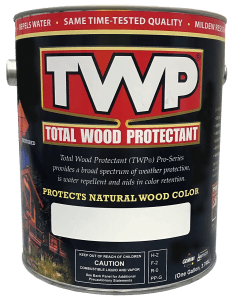 Type: Oil-Based Semi-Transparent
- Durability: 2–3 Years
- Maintenance: Easy recoat, no stripping needed
- Best For: Most decks (pressure-treated, cedar)
- Why It Stands Out: Deep penetration and consistent long-term performance without peeling
Scott’s Pro Tip: My most used deck stain in the past 30 years! We have used the TWP 100 Series on many 1000s of decks.
TWP 100 Series penetrates well into the wood, fades lightly in color, and holds up to wear and tear. I like that when it is time to redo the wood in 2-3 years, the TWP can be cleaned and re-coated or easily removed. This makes the reapplication process much easier. TWP 100 Series is only allowed in 35 States and cannot be used in Canada.
My Test Deck Stats
Deck Wood Type: Western Red Cedar
Deck Square Footage: 2100
UV Exposure: Full Sun Deck and Pool Area, Skirting and Railings
How Many Years Tested: 2 Years
Stain Color Used: TWP Cedartone Natural 101
Stain Type: Penetrating Semi-Transparent Oil-Based. Full Curing Wood Stain.
Consumer Star Ratings:
My DeckStainHelp.com Review (On a scale of 1-10): 8.69
See My Review Article Here: TWP 100 Series Review
Purchase Direct for Less at TWPStain.com: TWP 100 Series Stain


2. Restore-A-Deck Semi-Transparent Wood Stain Review

- Type: Water-Based Semi-Transparent
- Durability: 2–3 Years
- Maintenance: Very easy, simple prep system
- Best For: DIY homeowners and quick projects
- Why It Stands Out: Can be applied to damp wood, allowing prep and stain in one day
Scott’s Pro Tip: My favorite deck stain to save time and money. We prep and stain on the same day.
I like that Restore-A-Deck Wood Stain can be applied to dry or damp wood. Applying it to damp wood allows me to prep and stain on the same day, saving us a tremendous amount of time. Restore-A-Deck Wood Stain is an advanced, water-based, semi-transparent stain formulation designed to penetrate deep into wood pores for maximum protection and longevity. It protects the wood from harmful UV rays and damage caused by water penetration.
My Test Deck Stats
Deck Wood Type: Pressure Treated Pine
Deck Square Footage: 150 Square feet
UV Exposure: 50% Full Sun
How Many Years Tested: 2 Years
Stain Color Used: Light Walnut
Stain Type: Penetrating Semi-Transparent Water-Based. Full Curing Damp Application Stain.
Consumer Star Ratings:
My DeckStainHelp.com Review (On a scale of 1-10): 8.625
See My Review Article Here: Restore-A-Deck Wood Stain Review
Purchase on Amazon Here: Restore-A-Deck Wood Stain
Purchase Direct for Less at Restore-A-Deck.com: Purchase Here


Restore-A-Deck Consumer Video Review

3. Armstrong Clark Wood Stain Review
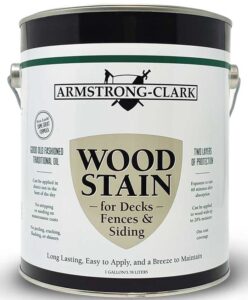
- Type: Oil-Based Semi-Transparent
- Durability: 2–3 Years
- Maintenance: Easy reapplication
- Best For: Older, dry, or weathered wood
- Why It Stands Out: Contains conditioning oils that help restore dried-out wood
Scott’s Pro Tip: Regarding ease of application and performance, the Armstrong Clark stain is one of my top stains. We love their semi-solid colors and performance.
The Armstrong Clark Wood stain has been a solid performer for my team since we started reviewing and using it about 10 years ago. I really like how it penetrates deep into the wood grain and applies easily. Reapplication is simple after prepping with a good deck cleaner. One callout is to make sure you do not overapply. You want the stain to soak thoroughly into the wood. Compliant for all US states and Canada.
My Test Deck Stats
Deck Wood Type: Pressure Treated Pine
Deck Square Footage: 600
UV Exposure: Full Sun
How Many Years Tested: 2 Years
Stain Color Used: Semi-Transparent Cedar
Stain Type: Penetrating Transparent, Semi-Transparent, Semi-Solid Oil-Based. Paraffin and Curing Oil Blend. Full Curing Stain.
Consumer Star Ratings:
My DeckStainHelp.com Review (On a scale of 1-10): 8.5
See My Review Article Here: Armstrong Clark Stain Review
Purchase Direct Less At ArmstrongClarkStain.com: Purchase Here
Purchase on Amazon Here: Armstrong Clark Wood Stain
Other Purchase Options: The Sealer Store


4. TWP Pro-Series Semi-Solid Wood Stain Review

- Type: Semi-Solid (Oil-Based)
- Durability: 3 Years
- Maintenance: Moderate
- Best For: More color coverage with strong UV protection
- Why It Stands Out: Rich color options while still allowing some wood grain to show
Scott’s Pro Tip: My favorite penetrating semi-solid wood and deck stain soaks into the wood and provides excellent UV protection.
What I like best about the TWP Semi-Solid Stain is that it is simple to apply, prep, and reapply when the time comes and holds color very well despite UV exposure. I have been using the TWP Semi-Solid colors for the last 4 years and have had nothing but positive results. Maximum UV protection and a much larger color palette are the top reasons we will offer the TWP Semi-Solid to all of my customers. The Low-VOC version is allowed in all US States and Canada.
My Test Deck Stats
When Tested: August 2023
Deck Wood Type: Pressure Treated Pine
Deck Square Footage: 800
UV Exposure: Deck in full sun
How Many Years Tested: Initial test – Brand New Product
Stain Color Used: TWP Semi-Solid Cedar Mulch
Stain Type: Penetrating Semi-Solid Oil-Based. Full Curing Stain.
Consumer Star Ratings:
My DeckStainHelp.com Review (On a scale of 1-10): 8.50
See My Review Article Here: TWP Semi-Solid Series Review
Purchase Direct for Less at TWPStain.com Purchase Here
Other Purchase Options: The Sealer Store


5. TWP 1500 Series Stain Review

- Type: Oil-Based Semi-Transparent (Low VOC)
- Durability: 2–3 Years
- Maintenance: Easy
- Best For: VOC-restricted states
- Why It Stands Out: EPA-registered preservative with strong UV and mildew resistance
Scott’s Pro Tip: My favorite current penetrating semi-transparent oil-based stain is the TWP 1500 Series. Michigan switched to low-VOC, so I now use it on the majority of decks that I restore.
The TWP 1500 Series is one of the best wood and decking stains and is one of my top choices. As a contractor, I really like stains that penetrate deep into the wood and can be reapplied without sanding. TWP 1500 fits this and more by adding excellent UV and mold protection. Maintaining TWP every 2-3 years is easy. TWP 1500 is compliant for all US states but not Canada.
My Test Deck Stats
Deck Wood Type: Cedar
Deck Square Footage: 400
UV Exposure: Full Sun
How Many Years Tested: 2 Years
Stain Color Used: 1501 Cedartone
Stain Type: Penetrating Semi-Transparent Oil-Based. Full Curing EPA Registered Stain.
Consumer Star Ratings:
My DeckStainHelp.com Review (On a scale of 1-10): 8.5
See My Review Article Here: TWP 1500 Series Review
Purchase Direct for Less at TWPStain.com: Purchase Here
Other Purchase Options: The Sealer Store


6. TWP Natural Effect Impregnating Stain Review

- Type: Water-Based Transparent
- Durability: 1.5–2.5 Years
- Maintenance: Easy
- Best For: Maintaining a natural, “bare wood” appearance
- Why It Stands Out: Unique formula designed to preserve the natural color of new wood while still offering UV protection
Scott’s Pro Tip: My new favorite IPE and Hardwood Deck stain is the first stain I have ever seen last more than one year on exotic hardwoods.
TWP Natural Effect Impregnators are tinted with iron oxide pigments, contain UV absorbers, and are extremely resistant to solar radiation. Their function is to preserve the wood from degradation due to UV light, microorganisms, and more. They prevent changes in wood color and promote adhesion of the Natural Effect Finish. TWP Natural Effect is compliant for all US states and Canada. This is a new product for my team, but I have tested it since 2021. So far, so good with my test deck.
My Test Deck Stats
Deck Wood Type: Pressure Treated Pine
Deck Square Footage: 800 Sq Feet
UV Exposure: 80% Shade 20% Sun
How Many Years Tested: 3 Years
Stain Color Used: Chesnut
Stain Type: Penetrating Semi-Transparent Impregnating Water-Based Stain.
Consumer Star Ratings:
My DeckStainHelp.com Review (On a scale of 1-10): 8.5
See My Review Article Here: TWP Natural Effect Review
Purchase Direct for Less at TWPStain.com: Purchase Here


7. Defy Extreme Wood Stain Review
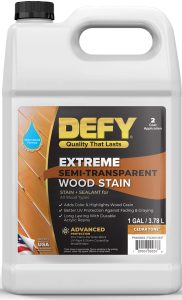
- Type: Water-Based Semi-Transparent
- Durability: 2 Years
- Maintenance: Moderate
- Best For: High UV and mildew-prone areas
- Why It Stands Out: Zinc nano-particles provide superior UV protection and mold resistance
Scott’s Pro Tip: The Defy Extremes is one of my top choices when using a water-based semi-transparent wood stain.
I have found the Defy Extreme Wood Stain to be one of the best-performing water-based deck stains on the market. The zinc oxide Nano-particles do double duty in preventing UV fading and preventing mold or mildew growth. Defy Extreme penetrates into the wood grain extremely well for a water-based stain, resulting in a non-filming coating that is not prone to peeling or wear from traffic. I use the Defy Extreme on about 30-50 deck restorations every year in the Midwest, and it’s one of my go-to brands. It is compliant for all US states and Canada.
My Test Deck Stats
Deck Wood Type: Pressure Treated Pine
Deck Square Footage: 750 Square feet
UV Exposure: 90% Full Sun, 10% Shade. South facing.
How Many Years Tested: 2 Years
Stain Color Used: Cedartone
Stain Type: Penetrating Semi-Transparent Water-Based. Full Curing Stain with Nano-particles of Zinc Oxide.
Consumer Star Ratings:
My DeckStainHelp.com Review (On a scale of 1-10): 8.47
See My Review Article Here: Defy Extreme Stain Review
Purchase on Amazon Here: Defy Extreme Wood Stain
Purchase Direct for Less Here: Purchase Here
Other Purchase Options: The Sealer Store


8. Ready Seal Wood Stain Review

- Type: Oil-Based Semi-Transparent
- Durability: 1-2 Years
- Maintenance: Easy reapplication
- Best For: DIY users and quick, forgiving applications
- Why It Stands Out: Extremely easy to apply with no back-brushing needed, but shorter lifespan than higher-end penetrating stains
Scott’s Pro Tip: Ready Seal Stain is not my favorite since it requires annual recoating, but I do like that it applies easily. Ready Seal does not cure fully and can rub off the wood on clothing.
Ready Seal Wood Stain contains the non-drying oil paraffin, which dives into the wood fibers and does not cure on the surface. There are many positives to paraffin stains, such as a user-friendly application and an even finish. The negatives can be poorer UV resistance and coverage rates with an oily finish that can stay on top of the surface. Ready Seal Wood and Deck Stain is a great choice for an easy-to-apply, even finish. However, I have found it necessary to reapply every 12-18 months due to color loss.
My Test Deck Stats
Deck Wood Type: Cedar
Deck Square Footage: 600
UV Exposure: Full Sun
How Many Years Tested: 2 Years
Stain Color Used: Natural Cedar
Stain Type: Penetrating Transparent Paraffin Oil-Based. Non-Curing.
Consumer Star Ratings:
My DeckStainHelp.com Review (On a scale of 1-10): 7.75
See My Review Article Here: Ready Seal Stain Review
Purchase on Amazon Here: Purchase Here
NEW Product Alert – Honorable Mention -Deep Penetrating Oil Finish
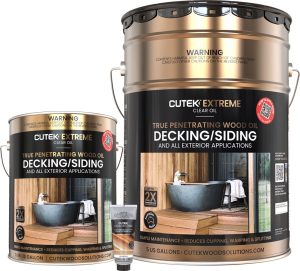
CUTEK® Extreme Penetrating Wood Oil Review
- Type: Penetrating Oil
- Durability: 1.5–2.5 Years
- Maintenance: Very easy (clean and reapply)
- Best For: Exotic hardwoods (Ipe, teak) all wood types
- Why It Stands Out: Extreme penetration with no film buildup, making long-term maintenance simple
Scott’s Pro Tips: Although CUTEK® Extreme is more expensive than many penetrating oils, the performance was very solid. There was no peeling or significant wear, and the coating should be easy to maintain, as it fades naturally and can be refreshed without stripping.
Note on our CUTEK® Extreme Review:
We have not yet been able to fully evaluate long-term UV resistance over our standard two-year testing period, as this application was completed in 2025. However, based on our experience so far, we have strong confidence in the product. It checks many of the key criteria we look for in a quality deck stain—deep penetration with added UV protection, along with the ability to reapply easily as it weathers.
My Test Deck Stats
Deck Wood Type: Pressure Treated Pine
Deck Square Footage: 1000
UV Exposure: Full Sun
How Many Years Tested: 1 Year
Stain Color Used: Walnut
Stain Type: Penetrating Mineral Oil-Based. Non-Curing. 18 Colortones
Consumer Star Ratings:
My DeckStainHelp.com Rating (On a Scale of 1-10): 8.50
See My Review Article Here: CUTEK® Extreme Penetrating Wood Oil Review
| Image | Title | Price | Add to cart | Rating |
|---|---|---|---|---|
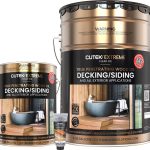 | Price range: $114.99 through $669.89 | |||
 | $10.00 |
My Best Deck Stains by Stain Type
Semi-Transparent Deck Stain Review
I like that Restore-A-Deck Wood Stain can be applied to dry or damp wood. Applying to damp wood allows you to prep and stain on the same day, saving you a tremendous amount of time. In 2018, my first full year of using the Restore A Deck stain, I had zero issues with performance and saved a tremendous amount of time with the ability to prep and stain on the same day. I will continue to offer the Restore A Deck Wood Stain as one of my go-to decking stains for the 2026 restoration season. The Restore A Deck Stains come in both Semi-Transparent and Solid Colors.
For more, see my article on the Best Semi-Transparent Deck Stains.
Semi-Solid Deck Stain Review
Best New Semi-Solid Stain for 2026: Available in 30 Custom Colors, the TWP® Semi-Solid Pro-Series is my favorite semi-solid stain. It will keep your wood beautiful, fresh, and looking new longer! The ease of application and maintenance will allow you to enjoy your investment for years to come. TWP®Semi-Solid Pro-Series provides a broad spectrum of weather protection, is water repellent, and aids in color retention. TWP® Semi-Solid Pro-Series resists water absorption that causes warping, cracking, splitting, and prevents freeze damage in colder climates.
Deck Stain Oil-Based: TWP 100 Pro Series Semi-Transparent
TWP 100 Pro Series semi-transparent stain penetrates well into the wood, fades lightly in color, and holds up to wear and tear. I like that when it’s time to redo the wood in 2-3 years, the TWP outdoor stain can be cleaned and re-applied or removed with ease. This makes the reapplication process much easier. TWP 100 Pro Series patio stain is only allowed in 35 states and cannot be used in Canada.
- Stain Type: Penetrating semi-transparent, oil-based, full-curing exterior wood stain
- Consumer Star Ratings:
- My DeckStainHelp.com Rating: 8.69/10
- Website Link: TWP 100 Series
- Wood and Deck Stain Photos: TWP 100 Series Photo Album
Deck Stain Water-Based: Restore-A-Deck Semi-Transparent Deck Stain
Restore-A-Deck semi-transparent deck stain can be applied to dry or damp wood. Applying this stain to damp wood allows us to prep and stain on the same day, saving you a tremendous amount of time. This Restore-A-Deck wood stain is an advanced, water-based, semi-transparent stain formulation designed to penetrate deep into wood pores for maximum protection and longevity. It’s compliant with regulations in all U.S. states and Canada.
- Stain Type: Penetrating semi-transparent exterior wood stain, water-based, full-curing, damp or dry wood application
- Consumer Star Ratings:
- My DeckStainHelp.com Rating: 8.625/10
- Website Link: Restore-A-Deck Semi-Transparent Stain
- Wood and Deck Stain Photos: Restore-A-Deck Semi-Transparent Stain Photo Album
Solid Color Deck Stain: Restore-A-Deck Solid Color Wood & Deck Stain
 Restore-A-Deck solid-color stain is my go-to solid-color/opaque deck stain for 2026 because of its ease of use, five pre-mixed solid colors (the only solid stain on the market that comes pre-mixed), and the ability to allow us to prep and stain on the same day, which adds extra convenience. It uses the latest advances in wood stain technology to seal and protect the wood by penetrating deep into the grain, shielding your deck from UV and water damage which is responsible for the growth of mold and mildew. It’s also compliant with regulations in all U.S. states and Canada.
Pro Tip: Restore-A-Deck offers Eco-Friendly Deck Stain Choices for Sustainable Living.
- Stain Type: Solid-color (opaque) exterior wood stain, water-based
- Consumer Star Ratings:
- My DeckStainHelp.com Rating: 8.68/10
- Website Link: Restore-A-Deck Solid Stain
- Wood and Deck Stain Photos: Restore-A-Deck Solid Stain Photo Album
For more info, see my dedicated article on the Best Solid Color Deck Stains.
Best-Applying Deck Stain: Armstrong-Clark Wood Stain
 Armstrong-Clark Wood Stain has consistently been a well-performing deck stain product. I really like how it penetrates deep into the wood grain and applies easily. Reapplication is simple for us, with a good deck cleaner for the prep. It’s compliant with regulations in all U.S. states and Canada.
- Stain Type: Penetrating transparent, semi-transparent, semi-solid oil-based, paraffin and curing oil blend, full-curing exterior wood stain
- Consumer Star Ratings:
- My DeckStainHelp.com Rating: 8.5/10
- Website Link: Armstrong Clark Stains
- Wood and Deck Stain Photos: Armstrong Clark Stain Photo Album
Pro Deck Restoration Contractor Quote on Armstrong Clark Stains
Jason Spurney, a professional wood restoration expert from J&S Deck Care, says,
“As a contractor, I highly recommend using Armstrong Clark for a natural look that achieves greater longevity than any other oil-based product I have used. I can confidently recommend this product to my customers, knowing that they will achieve the greatest return on their investment possible and enjoy their outdoor living space to the full.”
Semi-Solid Wood Deck Stain: TWP Pro Series Semi-Solid Stain
The TWP brand of stains is one of our most commonly used wood stain brands, as I have applied it to more than 10,000 decks over the past 30+ years as wood restoration contractors. What I like best about the TWP semi-solid stain is that it’s easy to apply, it’s easy to prep and reapply when the time comes, and it holds color very well, even under UV light. TWP semi-solid stain is only allowed in 35 states and cannot be used in Canada.
- Stain Type: Penetrating semi-solid, oil-based, full-curing exterior wood stain
- Consumer Star Ratings:
- My DeckStainHelp.com Rating: 8.50/10
- Website Link: TWP Pro Series Semi-Solid
- Wood and Deck Stain Photos: TWP Semi-Solid Photo Album
Make sure to check out my full article on the Best Semi-Solid Wood Deck Stains.
Wood Preservative Deck Stain: TWP 1500 Series Semi-Transparent Stain
TWP 1500 Series exterior deck stain is one of my top choices for the best outdoor wood stain because it protects the wood from rot and severe weather. TWP 1500 Series stain is the only deck stain on the market that is registered as a “wood preservative” with the EPA. As a contractor, we really like stains that penetrate deep into the wood and can be reapplied without sanding. TWP 1500 Series patio stain fits this and more by adding excellent UV and mold protection. Maintaining TWP stain every 2-3 years is easy. TWP 1500 Series stain is compliant for all U.S. states but not Canada.
- Stain Type: Penetrating semi-transparent, oil-based, full-curing, EPA-registered exterior wood stain
- Consumer Star Ratings:
- My DeckStainHelp.com Rating: 8.5/10
- Website Link: TWP 1500 Series
- Wood and Deck Stain Photos: TWP 1500 Series Photo Album
Deck Stain for Mildew: Defy Extreme Semi-Transparent Wood Stain
Defy Extreme Semi-Transparent Wood Stain penetrates into the wood grain extremely well for a water-based stain, resulting in a non-filming coating that is not prone to peeling or wear from traffic. I use the Defy Extreme on about 30-50 deck restorations every year in the Midwest, and it is one of the best outdoor wood stain options on the market for preventing mildew. Compliant for all US states and Canada.
- Stain Type: Penetrating semi-transparent, water-based exterior wood stain
- Consumer Star Ratings:
- My DeckStainHelp.com Rating: 8.47/10
- Website Link: Defy Extreme Wood Stain
Deck-Resurface Coating: Gulf Synthetics Deck Revive
 Homeowners are always looking for an alternative to a deck replacement. When wood is neglected, it can be expensive to have it restored or replaced. If you’re looking for a deck resurfacing Stain, remember that most users have had an unpleasant experience with Home Depot and Lowe’s products. Reviews and user experiences with most of these products have been overwhelmingly negative. However, comments about Gulf Synthetics Deck Revive have been favorable.
- Stain Type: Solid Color Deck Resurfacer, water-based exterior wood stain
- Consumer Star Ratings:
- Website Link: Gulf Synthetics Deck Revive
- Wood and Deck Stain Photos: Gulf Synthetics Photo Album
Choosing the right deck stain depends heavily on your wood type. Below are my recommendations based on real-world use cases and wood conditions.
Best Deck Stain for Old Wood
Older decks require a stain that can penetrate deeply into dry, porous wood and restore some life back into the surface. Film-forming stains or cheap acrylics tend to sit on top and will peel quickly on aged wood.
For most older decks, I recommend a penetrating oil-based or hybrid stain like Armstrong Clark Wood Stain or TWP 100 Series. These products soak into the wood fibers instead of forming a surface film, which allows them to wear naturally and be reapplied without heavy stripping.
If the wood is extremely worn or splintering, a solid stain or resurfacing product may be a better option, but for decks that are still structurally sound, a semi-transparent penetrating stain will give the best balance of appearance and longevity.
Pro Tip: Proper prep is critical on older wood. Make sure to thoroughly clean and brighten the surface so the stain can absorb evenly.
Best Deck Stain for Pressure-Treated Wood
Pressure-treated wood is one of the most common decking materials, but it can be tricky because it often contains mill glaze when new and can be dense depending on age.
The best option is a penetrating semi-transparent stain that allows the wood to breathe and prevents peeling. Top choices include Restore-A-Deck Wood Stain and TWP 1500 Series, both of which perform well on pressure-treated lumber.
- For new pressure-treated wood, wait until the wood has weathered and is able to absorb stain (typically a few months), then prep and stain.
- For older pressure-treated decks, proper cleaning and brightening will restore the wood and allow for better stain penetration.
Avoid: Film-forming coatings and paints unless the wood is severely worn, as they tend to peel on pressure-treated surfaces.
Best Deck Stain for Cedar Decks
Cedar is a softer wood that naturally resists decay, but it is highly susceptible to UV graying and color fading if not protected properly.
The best stains for cedar are penetrating, UV-resistant semi-transparent stains that enhance the natural grain while protecting the wood. My top recommendations are TWP 1500 Series, Restore-A-Deck, and CUTEK Extreme.
- If you want to maintain cedar’s natural look, use a lighter or natural-tone stain.
- If you want longer UV protection, choose a slightly darker tint, as it will hold color longer.
Cedar benefits from regular maintenance, and using a penetrating stain will make future reapplications simple without the need for stripping.
✅ How to Choose the Right Deck Stain
Before choosing a brand, determine:
- Wood Condition: New, weathered, or heavily worn
- Desired Look: Natural grain showing vs solid color
- Maintenance Preference: Easy recoat vs long coverage
- Climate: Sun exposure, moisture, temperature swings
Pro Insight: Penetrating stains outperform film-forming coatings in most real-world deck applications.
Steps to Picking the Top Deck Stain for Your Needs
Is There a #1 Rated Deck Stain or Sealer?
What is the Best Deck Stain? This is the most common question I get here on DeckStainHelp.com, and the short answer is, there is no universal #1 best exterior wood stain for decks that works perfectly every time. The right choice depends on the specific conditions of your deck and its environment. For example, a wood stain that performs well in humid South Carolina may not be as effective in the cold, snowy Midwest. Plus, different regions have varying VOC (volatile organic compound) regulations, which may limit the stains available in your area.
My top-rated wood and deck stain, TWP 100 Pro Series, can’t be used in 17 states and Canada due to its higher VOC content. It’s essential to take these factors into account. Additionally, think about the look you want. Do you prefer a stain that enhances the wood grain or one that hides the grain for a more opaque, paint-like finish?
Understanding your deck’s specific needs and environment will guide you to the best stain for the job.
Understanding Deck Stain Types: Transparent, Semi-Transparent, and Solid
Before reading my deck stain reviews, learn more about the three main types of deck stains you may encounter: transparent, semi-transparent, and solid stains.
✅ Deck Stain Types Explained
- Transparent/Clear Sealers: Natural look, less protection
- Semi-Transparent Stains: Best balance (most recommended)
- Semi-Solid Stains: More color, moderate maintenance
- Solid Color Stains: Maximum coverage, higher maintenance
Pro Tip: See my Deck Stain Types for more in-depth differences on deck stains.
Transparent Stains
As the name suggests, transparent stains are clear or very lightly tinted stains that help seal and protect wooden decks while still allowing the wood grain to show through. See below for Pros/Cons for the best transparent deck stain options for stunning results.
- Pros of transparent deck stains: Transparent deck stains can have several benefits. Penetrating transparent stains soak into the wood, eliminating slippery residue and sealing the wood from water damage. The stains also allow the unique beauty of your wooden boards to show through rather than hiding them below a thick coat of paint.
- Cons of transparent deck stains: Some disadvantages of transparent deck stains include potentially more maintenance and reapplication requirements, fewer color options, less UV protection, and no opportunity to hide flaws in your deck.
- When to choose a transparent stain: You may prefer a transparent stain if you want to seal your new deck boards while still allowing the wood grain to shine through.

Transparent Deck Stain
Semi-Transparent Stains
Like transparent stains, semi-transparent stains seal and protect your wooden deck from damage. However, these stains typically feature slightly richer colors that can provide more coverage than a transparent stain. You’ll still see the wood grain of your deck boards, but a semi-transparent stain cannot hide some flawed or damaged boards.
- Pros of semi-transparent deck stains: Semi-transparent stains are less likely to chip and peel, and some can even be applied directly to damp wood, meaning you can start staining before your deck dries completely. Semi-transparent stains may also be more durable than transparent stains while providing enhanced UV protection.
- Cons of semi-transparent deck stains: These stains are typically better suited to well-maintained decks under ten years old. They’re also not the best choice for painted surfaces, as they won’t cover imperfections.
- When to choose a semi-transparent stain: Consider a semi-transparent stain if your deck is newer and in good shape but may have some minor discoloration.

Semi-Transparent Deck Stain
Solid (opaque) Stains
I have found that solid deck stains are similar to paint in that they form a coat of solid color on top of your deck boards. Unlike paint, however, solid stains also soak into the wood and seal it against moisture, mold, and mildew damage.
- Pros of solid deck stains: Solid stains provide the most coverage for your deck boards. They offer unmatched UV defense and enhanced durability compared to transparent and semi-transparent stains.
- Cons of solid deck stains: Solid stains often hide your deck’s natural grain completely and create a smooth, even finish on top of the boards.
- When to choose a solid stain: You may choose a solid stain if your deck is discolored or made of softer woods like cedar and pine, as these materials may require the additional protection offered by a solid stain.

Solid Color Deck Stains
| ; | ; | ; |
Which Deck Stain or Sealer is Best for Me?
When comparing deck stain products and types, consider the following factors:
1. Color and Transparency Preferences
Depending on your taste and how much natural wood grain you want to see, you may choose a transparent, semi-transparent, or solid stain.
- Transparent stains are lightly tinted products that protect the wood from sun and moisture damage but allow the natural wood grain to show through.
- Semi-transparent stains lend more color to the wood than transparent colors, allowing you to match your deck boards to your home or trim and providing better UV protection.
- Solid stains bridge the gap between a stain and paint, forming a solid coating on top of your wooden deck and creating an even color that conceals wood grain and variations in the wood grain.
2. Long-Term Durability
I believe penetrating, semi-transparent stains provide the perfect balance of customizable color, ease of reapplication, and long-term durability. Transparent stains typically require more frequent applications, while solid stains may last up to 2-3 years on a deck and 4-6 years on vertical wood such as railings with appropriate care.
3. Deck Condition
You can generally use any stain on a newer deck that’s still in good condition. However, you may consider a semi-transparent or solid stain for an older, weathered deck.
4. Climate Concerns
Finally, consider your climate. A hot, dry area may require stains with enhanced UV protection, while you may prefer a product with strong mold, mildew, and moisture protection in areas that receive heavy rainfall.
✅ What to Avoid When Choosing a Deck Stain
- Film-forming coatings on older decks
- Over-applying stain
- Choosing based on color alone
- Skipping prep
Even if you choose the best deck stain on the market, these common mistakes can impact long-term durability and appeal:
- Not preparing your deck: Failing to clean your deck or remove old, flaking, or peeling stain from your boards can prevent a fresh coat of stain from adhering properly. See my Deck Cleaning Guide for best results!
- Not checking the weather: Rain, extreme temperatures, or high humidity can impact stain application. Check the forecast for two or three dry days with temperatures ranging from 60 to 80 degrees Fahrenheit. In addition, try to apply stain earlier in the morning or in the afternoon to avoid direct sunlight.
- Over-applying stain: You may think more stain equals more protection from moisture, mildew, and sun damage, but that’s not always the case. Too much stain can prevent the product from penetrating your deck boards. As a result, it may form a film on top of the wood that peels or flakes off over time. See my How to Stain a Deck tips for the best results.
- Not maintaining your deck: Even after your stain dries, it may require ongoing maintenance. Keep your deck dry and swept to eliminate grime and reduce the risk of mold or mildew. Finally, touch up spots showing signs of fading, chipping, or UV or moisture damage.
Getting the Most Protection from Your Deck Stain and Sealer
No one wants to apply fresh deck stain only to find it needs a reapplication a few months later. With that in mind, consider the following tips to get the most out of your deck stain:
- Take the time to prep your deck before applying stain to ensure maximum durability. Start by sweeping off dust, dirt, and grime, then use a scrub brush with a hose or a pressure washer on a low setting. Always use the appropriate deck cleaner or stain stripper. Not sure how to prep your deck? See our article on Deck Prepping, and we will gladly help and offer advice: Strip, Clean, or Sand Your Deck?
- Apply your stain on a dry, partly sunny day with mild weather. Want to stain your deck the same day as prep? If using the Restore-A-Deck stains, you can apply them to damp wood after prepping!
- Apply stain using a roller, stain pad, or stain brush.
- Always follow all manufacturer directions regarding the number of coats to apply and whether a second coat should be applied wet on wet or wet on dry.
Be sure to read my article on how to stain a deck.

Deck Staining: Frequently Sought Answers
When helping people choose the best deck stain and sealer, I often hear many of the same questions. Here are some tips and words of advice about exterior wood stain that can help answer these questions:
- No exterior deck stain will last five or more years. A good-quality stain will last two or maybe three years on a deck floor (horizontal) and typically twice as long on railings and vertical surfaces.
- Penetrating stains will have less chance of peeling, as they soak into the wood grain rather than settling as a film on top of the wood grain when fully cured.
- Penetrating deck stains are easier to maintain by cleaning the deck and reapplying the stain after two to three years.
- Filming deck stains that dry on top of the wood can be harder to remove and/or reapply, as they are more prone to peeling, wear, flaking, etc.
- I have found that not all deck stains are penetrating. Some brands may claim that they are, but it may not be the case when you apply it to your exterior space. Always do extra research to ensure that the stain you purchase is penetrating.
- Semi-transparent, transparent, and semi-solid stains will show the grain of the wood to some extent. Solid stains, deck resurfacing coatings, and paints will not.
- Clear sealers without any pigment/color will not prevent UV graying. Lighter-pigmented stains that are transparent, semi-transparent, or semi-solid will have less UV protection than darker-pigmented stains in the same transparency. More color/tint means better UV protection.
- Deck stain types include oil-based or water-based, filming or penetrating, and either transparent, semi-transparent, semi-solid, or solid (opaque). Deck resurfacing products are also an option.
- Oil-based stains can still be used in all states and Canada as long as they comply with local VOC regulations.
- When switching brands of deck stain, I have found it’s always best to remove the old coating first. Do this by using a deck stain stripper and/or sanding.
- Always apply a wood brightener after prepping with a stain stripper or wood deck cleaner to neutralize the pH.
- New decks that have been installed less than a year before treatment have different needs than a deck that is more than a year old. New decks need to be prepped and usually cannot be stained right away.
- Always prep your deck for the outdoor stain you use to ensure a long-lasting finish.
✅ Best Deck Stain FAQs
Quick Tip:
If you want the easiest long-term maintenance, stick with penetrating semi-transparent stains. They consistently perform best across most deck types.
🔍 Choosing the Right Deck Stain
What type of deck stain is best for most decks?
Semi-transparent penetrating stains offer the best balance.
What deck stain is best for older wood?
Penetrating semi-solid stains such as TWP Semi-Solid and Armstrong Clark Semi-Solid are best for older wood and decks that are dried out.
Is oil-based or water-based deck stain better?
Both can perform well. Oil-based stains penetrate deeper and are easier to maintain, while water-based stains offer better UV color retention and easier cleanup.
Are expensive deck stains worth it?
Higher-quality stains usually last longer and require less maintenance.
Best deck stain brands for decks in full sun?
TWP, Restore-A-Deck, and Armstrong Clark are top choices. Darker tints tend to perform better in full sun.
🧱 Deck Stain Types & Performance
What is a deck stain?
Deck stain is a protective finish for wood that enhances appearance and protects against moisture and UV damage. It comes in transparent, semi-transparent, and solid options.
What deck stains perform the best?
Penetrating semi-transparent and semi-solid stains perform best for most decks due to durability and ease of maintenance.
What deck stains will protect from UV graying?
Stains must contain pigment to protect against UV. Semi-transparent stains provide good protection while still showing wood grain.
What deck stain types can be cleaned and recoated easily?
Penetrating stains can be cleaned and recoated without heavy prep, unlike film-forming stains that may peel.
⏳ Durability & Maintenance
What is the longest-lasting deck stain?
Solid stains such as the Restore-A-Deck Solid Stain last longer in terms of color retention, but penetrating stains are easier to maintain over time.
What is the easiest deck stain to maintain?
Penetrating semi-transparent stains are the easiest to maintain since they do not peel.
How often should you re-stain a deck?
Typically every 2–3 years depending on exposure and product used.
🎨 Appearance & Color
What are the most popular deck stain colors?
Popular colors include cedar, brown, honey, and redwood tones.
🛠 Application & Usage
What’s the best way to apply a deck stain?
Stain pads and brushes provide the most even application. Sprayers can be used but should always be back-brushed.
Can I use a deck stain on wood siding?
Yes. Deck stains work well on siding, fences, and log homes and often last longer on vertical surfaces.
🆕 New Deck Questions
How long should you wait to stain a new deck?
- Smooth wood: Wait ~3 months
- Rough wood: Can stain once clean and dry
- Kiln-dried wood: Wait 1–2 months
⚖️ Deck Stain vs Other Products
What’s the difference between deck stain and deck paint?
Deck stain penetrates the wood and looks more natural, while deck paint sits on the surface and creates an opaque film.
Want My Help Finding a Top-Rated Deck Stain?
I am here to help you narrow down all the deck stain options and offer advice on what would work best for you and your wood deck. To understand which wood stain to choose, start by considering why your last coat of coating (if applicable) may have failed:
- UV rays from the sun will damage wood, resulting in the degradation of the wood’s cellular structure. This will break down the stain while causing the wood to oxidize (turn gray).
- Water, snow, and ice will damage the wood by breaking down the exposed cell structure.
- Freezing and thawing tend to expand and contract the wood, weakening the stain’s bond with the wood cells.
- Mold, mildew, and algae will leave the wood unsightly/dirty and can cause rotting.
- High-traffic areas will wear faster.
- The previous stain used may have been of inferior quality or applied poorly.
- The wood may not have been prepped properly prior to application. Bad prep is the number one reason stains prematurely fail!
Once we determine the primary reasons for failure, we can look at what stains would be better for your deck or exterior wood. Here are the questions that will guide your choice:
- In which state is your deck located?
- How much sun/shade does your deck get?
- What type of wood is your deck made of?
- Do you have mold or mildew issues?
- Why/how did the previous stain fail?
- What type of stain did you use last time?
Let’s look at my example deck:
- Deck Location: Michigan
- Sun/Shade: Full sun in the morning, shade in the afternoon
- Wood Type: Cedar
- Mold/Mildew?No
- How Did the Last Stain Fail? Dried blotchy and peeled after the first winter
- Which Stain Was It? Behr Premium Semi-Transparent
Michigan currently has a VOC limit of 550 (250 VOC as of 2023), so not all exterior deck stains are available. You may have different options if you live in Canada, on the East Coast, or in California. I would suggest a penetrating semi-transparent or semi-solid stain that does well with UV protection and fades evenly over time, making future reapplication easier. Based on these questions and answers, we would suggest one of these stains:
Let Me Help You Find the Best Wood Stain for You
How to choose the best deck stain for your home? I am here to help you find the best wood deck stain for your situation! Just post a comment below with answers to these questions.
- In which state is your deck located?
- How much sun/shade does your deck get?
- What type of wood is your deck made of?
- Do you have mold or mildew issues?
- Why/how did the previous stain fail?
- What type and brand (if known) of stain did you use last time?
If you can, please add a picture or two of your deck’s current condition. I’ll do my best to suggest the best wood deck sealer and stain for your needs.
NOTE. Make sure to Post Comments Below for Personalized Help!
Choosing the Best Wood Deck Stain: A Video Guide

Deck Stain Ratings & Review Photos
Top 8 Deck Stain Rating Results in 2026



















Location: Madison, Wisconsin
Exposure: Part full sun, part shade
Wood type: Cedar
Small amount of mold in shady areas
Have used semi-transparent Velvit oil Cabin and Deck Finish for past 15 years. No longer available in my area. Multi level deck on north side of 2 story house. What would you suggest? Thanks, Todd
Try Armstrong Clark wood stains or the TWP 100 Series. You will need to strip and brighten the wood for the prep.
I recently purchased a home in NW Montana with a Western Larch Deck. (I believe Western Larch and Douglas Fir have the same properties). I believe the previous owners stained it with Aspen Deck Stain 199-00 Pecan. At least that is the can here from 20 years ago. Half of the deck is uncovered and in the full sun all day in summer. As you can see from the 1st picture below, the part that is in full sun, (left side of 1st picture), is faded and the part that is covered, 2nd picture, is pretty decent. There is a small amount of mildew on one section of the covered deck. The previous owners said they could not keep the section in the sun ( we are at 3000 feet) from fading. They may have tried to protect it with Cabot Stains Oil-based Polyurethane Varnish. (There is a can of it they left). I am going to replace most of the uncovered deck with new Western Larch wood and try to restore the planks in the first picture, which are the ends of the section under the roof. So I would like to know what stain to use on the new wood and how to prepare the wood. I am trying to match the old stain, which again, by the can they left says “In-Wood Exterior Wood Stain-Pecan 11-0999” , a very old can. Also, do I need to add any other coat for protection from sun. Also, how do I prepare the planks in the first picture and will I apply the same products as I do on the new wood. The uncovered and covered section butt together, so I would like for them to match. There is 720 square feet of covered deck (3rd photo) and 720 square feet of uncovered, south facing deck.
Thanks very much.
If there is a poly on the older part, you will need to power sand to remove. Clean and brighten after for final prep. For the new wood, see this: https://www.deckstainhelp.com/staining-a-new-deck/
Once all prepped and stained, try TWP 1500 Series or Armstrong Clark.
Hello
Southern part of Ohio
Sunny all day
treated lumber
no mold issues
deck put on last summer July 2017 and has never been treated
What is a good cleaner and stain?
Prep with Restore A Deck Cleaner/Brightener Kits. Stain with Armstrong Clark. Try a semi-solid color for decks in full sun.
#2
Washington State
Direct Sun
Pressure Treated Deck Boards
Pressure Washed Clean
Deck boards are 10+ years old and have been treated once with In Wood
Thanks!
State:Kentucky
Full sun
Pressure treated pine
No mold
New deck, no stain
We have a pool!
What stain would be best for our deck?
After the wait and prep, try TWP or Defy Extreme.
Hi Dana, see this about new wood: https://www.deckstainhelp.com/staining-a-new-deck/
Hi there!
Washington State
Direct Sun
Pressure Treated Deck Boards
Pressure washed clean
4 years old, never treated
Thank you!
Hi Andy, Armstrong Clark or TWP 100 Series.
Ohio
Partial shade
Pressure treated pine (about 20years old)
Mold and mildew issues – not always
Previous product – Rust-Oleum Restore 10x
Main Issue is that the product peeled excessively and I have sanded off as much as will come off.
I am looking for a solid color stain that will hold up for more than one year.
You will need to remove this and the only effective way is to power sand it all. A solid color stain will not work on top of the Rustoleum Restore. Once removed, try Flood Solid Stains.
Hello!
Missouri
Mostly shade
Cedar
Mold present
3 years old and never treated
Thanks so much!!
Hi Alan, clean and brighten the wood for prep. Stain with Defy Extreme or TWP 100 Series.
OK, so per your answers, I will use the TWP 1500 series both for my new logs (after 4 months of weathering followed by cleaning and brightening them before applying stain) and my old Sikkens logs (after using stain remover and brightner w/pressure washing).
BUT- is TWP compatible with using a boric acid spray treatment when I first get new logs, before the 4 month weathering wait time….and will the boric acid survive the prep of cleaner and brightner to give some insect protection…..(and can TWP go on after 4 months, or is it like SIKKENS that wanted a 6 month delay before putting SIKKENS on a log treated wtih boric acid water spray?
If boric acid treatmetn won’t survive cleaner and brightner, how would you suggest I treat logs to keep them from insects (like little larvae 2 of my old logs have in one area where water splashes (sunny side too) where 1/8=1/4″ holes have been bored by those little larvae like worms (about 1/2″ long/ 1/8-1/4″ in diameter) that are white.)?
and for the old logs that I have to strip…do I strip and brighten, and then spray with boric acid mixed with water…and then after 4 or ??? months clean and brighten and apply the TWP stain?
Thanks in advance.
I am not sure on the boric with TWP as we never use it. Best to contact them directly to get proper steps.
State: Virginia
Partial shade
Pressure treated pine
Mold and mildew issues:yes
Unsure of previous stain type as we bought house 4 years ago and this is first time resealing
Main issues are graying and fading. Plus some splintering on one section.
Which stain/sealer should we use?
Hi Katie, try Restore A Deck Wood Stain or the TWP 1500 Series.
We live in Everett, Washington. Deck is west facing, so afternoon sun to sunset. Cedar. Mildew is typical in winter months. Wonder what works best in our wet winters.
Hello, look at TWP 100 Series or Restore A Deck Wood Stains.
Hello and thanks for fielding a question! We are preparing to stain a pressure treated 800 sq.’ deck.
Vermont
Full sun in summer months
Pressure treated and laid in October of 2017
No treatment to deck at this point
No issues
The home is less than a year old and is fairly contemporary with vertical standing seam and a two/three-foot wide strip of cedar at the roofline. That was treated with Penofin Red Label (western red cedar color) and it looks beautiful…now. Your reviews make me very leery of applying it to the deck for fear of it turning black. What would you all recommend if we want to protect it and color match it as close as possible to the western red cedar at the roofline? Also, would you do an 80 grit orbital sanding on the deck prior to treating it as some folks suggest?
Hoping to get to the project this weekend. Many thanks!
No need to sand. Actually creates issues with the stain soaking in. Try the TWP stain or Armstrong Clark.
We replaced the lower half (pic 3) with cedar planks. We would like to stain and have it match as close as possible. We stripped the old stain off the upper deck the best we could, it’s not perfect! As you can see its now lighter than the new cedar. Anyway, we’re not sure what kind of stain to use. We were thinking about a semi-transparent medium color without it looking too red. We planned on using Defy, however, the Butternut was too dark (I think) and the Light Oak was too red.
Deck Location State: Kansas City
Full Sun all day
Wood Type: Cedar
Mold or Mildew Issues: ? It’s hot and humid but haven’t seen any mildew on it
The reason for Previous Stain Failure: It’s been 6 years and it’s time to redo it.
Please let us know your thoughts. Thank you!!
Kay
Maybe Armstrong Clark in Natural Oak or their Rustic Brown color.
Yesterday (Sunday) I finished stripping/brightening it. Will it be okay to stain it tomorrow?
Yes.
Sorry last few questions!
1. I am staining tomorrow and can’t get AC locally so is there another product that is available in a retail store that you like? Is Olympic Elite (or another option ?) almost as good for this particular deck? If not, I’ll use Defy and just be okay with one of their colors.
2. It’s so hard to predict rain in KC. Is it better to use a water or oil based stain based on uncertain weather? I’m staining tomorrow (Tuesday) and there is a chance for rain Thursday.
3. I found a few spots of stripper left on my deck this morning so I’m going to power wash it off. Hopefully that won’t effect my staining tomorrow?
Thank you!
Use the TWP if you can find it. Nothing decent at Big Box Stores.
Brand new pergola to be built in a week
Deck Location State: Texas
Full Sun, Partial Shade, Full Shade: Full Sun
Wood Type: Rough Sawn Cedar
Mold or Mildew Issues: Yes? (Houston Humidity)
Hi Corey, see this about new wood: https://www.deckstainhelp.com/staining-a-new-deck/
Thanks for the reference. I’m leaning towards Armstrong Clark. Can you confirm that cleaning and brightening is not required prior to staining for new rough sawn cedar? I would also prefer to stain prior to erecting the pergola but will wait if this is not recommended.
No need to clean and brighten if rough sawn cut wood.
I live in North Carolina and have full sun on my deck from noon to evening. It’s a relatively new deck, only 4 years old, no mildew and no problems. I have only used a clear waterproof sealant on it. I would like know what semitransparent stain would work best on it now.
Try Restore A Deck Wood Stain or the Defy Extreme Stains.
We had our deck built two years ago. It’s white pine. We had it stained last year with Flood stain. The deck had lots of mildew/mold on it as in the first picture. We have treated it with two deck cleaners and it has now caused the stain to come off (pic 2) and we still have some evidence of mold and mildew. What do you recommend we do? We don’t want to do this every year.
Location: Kansas
Deck location: shade and sun
Mildew/mold: sun areas only
Continue the prep and stain with one coat of the Flood. Other option is to strip it all off and start with a different brand: https://www.deckstainhelp.com/the-5-best-deck-stain-reviews-and-ratings/
Should we use a deck brightener before applying stain but after the cleaning process?
Yes, that is correct.
Illinois, Full Sun, no mold or mildew issues, moved in last September, peeling paint everywhere, not sure of previous coating. Wood is old. Looking for a best solid stain brand to use.
We like and use Flood Solid Stains when using solid stains.
Deck Location State: Maryland
Partial Shade, Partial Sun
Wood Type: Pressure Treated Pine/Cedar
Mold or Mildew Issues: Yes
Reason for Previous Stain Failure: Have to stain deck boards every year
Previously stained with Cabot Australian Timber Oil
Good Morning Ann,
Prep by stripping all the Cabot ATO off. Brighten the wood when done. Try the Restore A Deck Stripping kits. For the stain, Defy Extreme or Restore A Deck Wood Stains both would do very well.
Deck Location State: VIrginia
Full Sun, Partial Shade, Full Shade: Full shade AM, Full Sun PM
Mold or Mildew Issues: No
The reason for Previous Stain Failure: stained >5 yrs ago; old deck
Previous Coating? If so brand name and type of stain: TWP (not sure if 100 or 1500) semitransparent cedar
Prep well with Restore A Deck Kits and use the TWP again would be the best and easiest option.
Deck Location State: Massachusetts
Full Sun, Partial Shade, Full Shade: partial shade
Wood Type: Pressure Treated Pine
Mold or Mildew Issues: Yes
Reason for Previous Stain Failure: new deck, no stain
Previous Stain Brand and Type of stain (Solid, Semi-transparent, Transparent, etc): n/a
Hello,
See this about new wood: https://www.deckstainhelp.com/staining-a-new-deck/
I have a deck that was repaired 5 months ago with kiln dried pressure treated pine (all new deck boards) after tree came down . I live in PA. Deck gets blistering sun exposure most of the day. No mold or mildew issues. I would like to use a semi transparent stain to show the wood grain. Would I be better off with a water based stain like TWP or Armstrong Clark or a water based stain such as Restore a Deck?
Does not matter on the type. Just make sure to follow directions when it comes to new wood: https://www.deckstainhelp.com/staining-a-new-deck/
Sorry — the question is what are the best stains for my deck, based on the conditions outlined in my post?
You will need to prep by removing all of the old stain. Strip, pressure wash, and sand if needed. Brighten all when done. Stain with one of these products: https://www.deckstainhelp.com/the-5-best-deck-stain-reviews-and-ratings/
Deck Location State: Maryland
Full Sun, Partial Shade, Full Shade: Full Sun in exposed areas. Some shade on covered porch.
Wood Type: Pressure Treated. boards on steps were replaced about 8 months ago.
Mold or Mildew Issues: No
The reason for Previous Stain Failure: Stain didn’t really fail, just old wood and stain needs to be redone
Previous Coating? If so brand name and type of stain (Transparent, Semi-transparent, Semi-solid, Solid Stain): Unknown
We’d like to use a more modern looking stain color, if possible. I am assuming a transparent stain will not work on this application.
Looking for the best stain for my deck
Location Pittsburgh pa
Full sun
Wood type. Not really sure. It’s pressure treated 2×4
No mold or mildew issues
New deck 2 years ago stained a year ago with Olympic maximum semi transparent redwood. Heavy dog traffic and the stain is completely gone in that area. Want to restain a drifferent color but want something that will last more than a year. There is also a lot of scratches thru the stain down to bare wood.
Hi Ann, strip and brighten for prep. Stain with TWP 1500 or Armstrong Clark.
What determines how hot a surface will become from the sun.
Usually the color. Darker colors are typically hotter.
I just stained a deck with two different Sherwin Williams semi transparent stains. One on the dark side and one lighter. To the touch in the same sun the darker one was cooler than the lighter one. This makes me think there is something else to consider in addition to color. The SW person said it depends on whether black is I the color formula. That did not satisfy me.
Deck Location State: New York
Full Sun, Partial Shade, Full Shade: Full Sun, Partial Shade
Wood Type: Cedar Decks, Douglas Fir Porch
Mold or Mildew Issues: Less mold/mildew, more salt air/coastal conditions. Some mildew on the underside of the decks.
Reason for Previous Stain Failure: Solid Stain Peeled and easily tracks dirt.
Previous Stain Brand and Type of stain (Solid, Semi-transparent, Transparent, etc): Solid, unsure of brand.
I’m planning to have my decks sanded and re-stained/sealed since the solid stain applied last year is already starting to peel in several spots. I’d like to go with a stain that naturally turns the wood a driftwood grey. Wondering if Cabot Bleaching Stain is the right way to go? The house is a traditional New England coastal home with cedar shakes that are aged to grey. We’d like the deck to have a similar look grey natural look. Some of the decks get full sun while some are fully shaded. I also have one of the decks done in Ipe and haven’t treated it to let it go naturally grey. Thanks!!
You will need to sand to remove this solid stain. After 100% removal, use the TWP 1500 in Clear. It will gray naturally but protect the wood.
We have a farmers porch and it’s over due for a refinishing. We think the last time we did it was 5 years ago
Deck Location State: Massachusetts ( northern part of state)
Full Sun, Partial Shade, Full Shade: Full Sun and Partial Shade
Wood Type: Vertical Grain Fir
Mold or Mildew Issues: No
Reason for Previous Stain Failure: New England Weather (Snow, Rain, Sun) resulted in fading, darkening, worn away
Previous Stain Brand and Type of stain (Solid, Semi-transparent, Transparent, etc): Moore Wood Transparent Stain
Hi, prep using a stripper and a wood brightener. Try the Restore a Deck products for the prep and the stain. The RAD stain will not darken like your current stain did.
Georgia
Full Sun most of day
Treated Pine
No Mold or Mildew
Used Rust-oleum Deck Restore about 5 years ago and it peeled badly. We have scraped off most of it and plan to sand. Will it be possible to use a transparent stain? We plan to leave the rails a solid color. Replacing the cap of the rails, should we stain that since it is horizontal? Also a few boards of decking will be replaced – should they be treated differently? Thanks for the advice!
If you remove the Rustoleum Deck Restore 100%, you can use a penetrating stain that is transparent or semi-transparent. See this about new wood: https://www.deckstainhelp.com/staining-a-new-deck/
Looking for the best stain to use on pressure treated wood in Maui very close to the ocean.
Deck is in full sun
Not much mold or mildew
Deck currently has olympic stain on it but it has worn poorly because of the sun
Steve, what brands are avaible to you there? Seems the ones we like and use are not sold in Hawaii.
We have brands sold at home depot , behr etc.. Lowes, olympic, cabots. Sherwin williams, cetol. Not to sure what else
What Stain do you recommend for my front porch logs
Deck Location State: Southern California (100+ July-Sept)
Full Sun in Summer on 1 side of logs; Full sun in a.m. in Winter on one side of logs. My viga tails sticking out 2′ each from upper side of house get full sun on top all year round (and they have big cracks, rotten areas, dried out, compared to the photos and description below of the vertical logs holding up front porch roof
Wood Type: Pine (New Mexico – ponderosa I think, not lodgepole)
Mold or Mildew Issues: NO
The reason for Previous Stain Failure: See Photo (10 years on Sunny side of log). Wood and color on top layer of log is flakey/missing in places (still good on shady side)
Previous Coating? Sikkens Log & Siding, Semi-transparent
I know I went way too long without refeshing…..but in my late 60s, the Sikkens maint plan of having to powerwash all logs to completely remove all old finish was daunting. We had fire so am having to replace most of logs….and Sikkens Log& Siding certainly held up well…but do you think there’s a product that would last almost as well as Sikkens Log & Siding, but only needs a scrub brush & box of cleaner type scrub instead of having to rent a power washer and figure out how to use it so I don’t damage wood, etc. every 3 years or so? It also seems like power washing that often would eat away wood so my 10″ logs would become 8″ logs after 10 years?
Also, SIKKENS doesn’t let you use boric acid treatment unless you then let the logs sit for 6 months (and get gray etc…..and 2 of my 10 porch support logs have some kind of bug that attacked them and bored holes in them (like 1/8″) w/larvae down w/in 3-4′ of ground near where water splashed from canalles overhead into rain barrels in front of logs.
ALSO – I am getting replacement logs from New Mexico from place that has had some logs cut at yard for awhile, and with the bark off for awhile (unlike most places that store them with bark on to avoid graying but therefore they don’t dry out. The ones I’ve found will not be gray because they’ve been a time w/out bark, and they are drawknifing them to get get the “look” I need and at same time it will remove the gray. So will these count as already weathered so they can be stained before I install them, or do I need to install them and wait 4 to 10 months to stain them?
Thank you very much
You will need to install the new wood and let them weather for 4 months. You best option is to strip all down to the bare wood and then neutralize with a wood brightener. This will require proper prep products to remove the Sikkens and pressure washing.
Once fully removed, use TWP 1500 Series stain for this.
Thanks for the answers.
So I need to use stripper and then a cleaner and then a brightner at the 4 month point, along w/pressure washing .
I was wondering if you think the TWP holds up as well as the Sikkens Log & Siding, or won’t have the problem of the peeling (given that Sikkens has been on for about 10 years)?
Also, was the reason you recommended the TWP 1500 instead of the 100 is because of the slightly easier prep (only needing a cleaner, per your review, as opposed to the two-step Gemini process for the TWP 100), even though your product reviews said that the 100 held 80% of its color after 2 years and the 1500 held the lesser 70%? You’re giving me the easiest product for renewing so I can keep it refreshed frequently so I don’t get into the current problem, even if it needs refreshing a little more often than the 100?
Tx in advance.
Chris
Sikkens is not the same as it used to be. Changes in formulas in recent years makes it not as good. TWP 1500 is better for siding as it gives a little better UV protection. The prep is exactly the same for the 100 or the 1500. Both need a cleaner and brightener like the Gemini Restore Kit.
This needs sealed again. Last seal and stain was Olympic maximum about 3 or 4 years ago. Some boards as pictured is flaking. I do not want anything solid.
We live in southern Indiana. It has some partial shade in the mornings. No mold
Thanks I’m advanc for you help
Strip and brighten for prep. Stain with TWP 1500 or Armstrong Clark.
Deck Location State: Illinois
Full Sun, Partial Shade, Full Shade: Full Sun
Wood Type: Pressure Treated Pine
Mold or Mildew Issues: Yes
Reason for Previous Stain Failure: stain seems to wear and come off every year.
Previous Stain Brand and Type of stain (Solid, Semi-transparent, Transparent, etc): Thompsons semi-transparent
We usually powerwash and then stain the deck within a few days. Might there be a better stain to use than the Thompsons? We are redoing the deck every spring.
Yes there are much better brands then the Thompsons. You cannot apply anything over the Thompsons though. You will need to make sure 100% is removed first by stripping and or sanding. Try the Armstrong Clark or the TWP 1500 Series after.
Deck Location State: Central California Coast
Sun: Shade in AM, Partial shade in Afternoon
Wood Type: Redwood
Mold or Mildew Issues: No
The reason for Previous Stain Failure: No previous stain
Previous Coating? New deck completed end of February
Really helpful info on your site. Much appreciated!
Hello, see this about new wood: https://www.deckstainhelp.com/staining-a-new-deck/
Thank you. Based on this link, applying cleaner, brightener, then Armstrong Clark stain at the end of May looks like the way to go. This is a small deck and gazebo around a wooden hot tub; I was planning to give it a quick finish sand with #80 grit/palm sander. Will that be an issue?
Sand with 60 grit if you have to sand. Better penetration of the stain.
Thanks! Based on the information at this link, it looks like using Armstrong Clark Restore a Deck, Brightener, and Stain at the end of May is the best way to go. One last question: This is for a small deck and gazebo that wraps around a cedar hot tub. I was planning to give the deck and gazebo a final sanding with a palm sander / #80 grit. Any concern there?
We are not fans of sanding. Causes more issues than it does to help. It could lead to the AC not soaking in as well as it should.
Location: Ottawa Ontario
Sun: Morning shade, Afternoon sun
Wood: Pressure treated
Minimum mildew up against the house
Not sure on previous treatment as we bought the house last summer. It is mainly peeled way.
Just looking for something that I can reapply easily every couple years.
Thank you
Hello,
You will need to prep by making sure all current stain is removed. The Armstrong Clark wood stain works very well in your climate.
Thank you. I just spent the last 5 hours cleaning it. There is still some old stain down so I think I will just sand it. I was wondering I do not see anywhere if it says you should scrub really hard or just gently when cleaning.
Cleaning does not remove old coatings. Stripping does. You probably used the wrong type of prep and that is why it did not remove the old stain fully.
okay here goes David V.
1. Central North Carolina [neither mountains nor coast]
2. 2/3 covered, 1/3 exposed, Southwest Full to partial shade
3. Wood. New construction [7mo] TreatedKilnDried SWP
4. Suspect potential for mildew [largely due to pollen adherence]
5. NA
6. NA
Hello, prep with a deck cleaner and then a wood brightener. Stain with Restore A Deck Wood Stain or Defy Extreme. Both will not be prone to mildew.
Location: Upstate New York
Sun: morning shade, full sun afternoon
Wood: Pressure treated pine
Minimal mildew under eaves of house
No previous treatment to wood built last spring
Looking for best first time stain? Thanks
Hi Jason, try TWP 1500 Series or Armstrong Clark wood stains.
Hi there, I live in Windsor, On, Canada. I have an old deck 10-12 yrs old. Untreated pressure treated lumber. Over top of the deck is a 100 ft Maple tree so the deck is half in sun and half in shade. I understand from ur advice I will need to clean properly. My question is what is good protector or stain to use on this? I wld care for minimum upkeep.
Try the Armstrong Clark or TWP 200 Series for Canada.
1. Minnesota
2. Full Sun/Partial shade
3. Wood Type: Pressure Treated Pine- quite old. A number of boards cracked (large deck wrap around 600 sq. ft)
4. Some mildew in shadier parts
5. Reason for Previous Stain Failure: Just wore out?
6. Previous Stain: Sikkens Cetol- semi transparent. 5 years since last applied. Would consider a solid deck restorer if one actually works longer than one season to cover up the cracks and age. Wood color despite cleaning is more and more difficult to maintain.
Best to strip and brighten for prep. Try a semi-solid color like the Armstrong Clark semi-solids. Better Uv protection and will not peel.
I live in North Dakota, with harsh winters and summers. My cedar deck is 3 years old and has oxidized and has never been treated with anything. I know I have to prep it before staining, but I’m having a hard time deciding if I should go with oil or water base semi-transparent.
Either type will work as long as they are penetrating.
Deck Location State: Nebraska
Full Sun, Partial Shade, Full Shade: Sun from 10AM – 3PM
Wood Type: Pressure treated pine
The reason for Previous Stain Failure: Age – done 2 years ago
Previous Coating: Cabet Australian Timber Oil
Just pressure cleaned the deck but have not used a brightener. Would rather stay away from really harsh chemicals.
For the stain, try TWP 100 Series or Armstrong Clark as long as you removed the Cabot fully. If not, you will need to strip and brighten for prep.
I have a TREX deck that has been pressure washed several times. Is there a product that will restore the original luster to the material?
Larry Cruzen
Sorry but we have never seen a coating for Trex that will do this.
Deck Location State: Baltimore, MD
Full Sun, Partial Shade, Full Shade: Full Sun all day in winter; morning shade and full afternoon sun in summer
Wood Type: Pressure treated wood (top of railing is Trex)
Mold or Mildew Issues: Mildew and algae
The reason for Previous Stain Failure: Never stained or painted. Deck is about 7 years old.
Thank you!
Prep with Restore A Deck Kits and stain with TWP 1500 or Armstrong Clark.
You guys helped us find the fantastic Restore-a-Deck Brightener Kit. Worked fabulously. Now curious as to your recommendation.
1. New York State
2. Full shade, covered.
3 Pressure treated pine, just cleaned and brightened; looks like brand new bare wood. Deck is 20 years old but very good condition.
4. Little mold, only on edges.
5. Hated the dark chocolate color. Trying to match the aged, tongue and groove pine on the interior wall.
6. Zar Semi Transparent Exterior
What color do you want? Did you remove all of the current stain from the deck?
All stain is gone. See image. I would like to match the aged pine of the back tongue and groove wall. Covered deck. The chocolate brown thing behind the bucket is a hot tub and the floor was originally chocolate brown as well. Frankly, the wood on the near deck edges, just wet from rain, are the right color to match the pine on the wall. Suggestions? Thanks.
Look at Armstrong Clark in Natural tone or Restore A Deck Wood Stain in Cedar.
All stain is gone. I would like to match the aged pine of the tongue and groove wall. See the image. It’s covered deck and well protected. The chocolate brown thing behind the bucket is a hot tub. In the picutre, the wood on the deck edges, wet from rain, are the right color to match the pine on the wall. Suggestions?
Deck Location State: Virginia
Full Sun, Partial Shade, Full Shade: Full Sun
Wood Type: Southern Yellow Pine
Mold or Mildew Issues: Yes
The reason for Previous Stain Failure: Peeled after first Winter.
Previous Coating? If so brand name and type of stain (Transparent, Semi-transparent, Semi-solid, Solid Stain): Thompson’s
Hello,
You will need to start by removing the Thompsons. This product is not easy to strip so you may need to sand as well to fully remove. Once removed, brighten all wood. After prep, use the TWP stains or Armstrong Clark.
I have a 2 yr old pressure treated deck that has never been stained..we are in NE Ohio..North facing deck..advice on what cleaner and/or brightener and stain? Pressure washer? Garden hose? Thank you!
Use the Restore A Deck Cleaner/Brightener Kit. Stain with TWP 1500 or Defy Extreme Stain.
We built a new cedar deck 3 years ago. It has never been treated.
1) Deck Location State: North Dakota
2) Full Sun
3) Wood Type: Cedar
4) Mold or Mildew Issues: Not that I’m aware of
5) Reason for Previous Stain Failure: Never stained, has turned gray, I do like the gray color
6) Previous Stain: None
If you want it to gray then use a clear to protect. Like the TWP 100 Clear.
Will I have less protection if I use the clear? I know there is no UV protection .
It protects the same except from UV.
What do you think about PENOFIN Semi Transparent? Thanks!
Looks good when it goes on but turns black over time. We will not use it. See this for a review and read customer complaints in the comments: https://www.deckstainhelp.com/penofin-ultra-red-label-stain-review/
Happened to my fence when I used Penofin. I’m in the process of resanding and restaining. Just logged onto this website to read and learn what would work. In the attached picture, you can see the Penofin Cedar on the far right and the Cedar I’m sanding. I’m located near Toronto, Ontario Go Raptor!!
My local Hardware store in Bishop only carries PENOFIN Semi transparent
for exterior decks (doug fir) which is recommended in this high desert where
UVs are a big factor. Thanks.
Southern Wisconsin
Mostly shade
Pressure treated deck wood
No mold or mildew issues
Never stained or painted. Four years old.
Hi, clean and brighten the wood for the prep. Stain with Armstrong Clark or TWP 100 Series for the stain.
1. Missouri
2. partial shade
3. rough cedar
4. no mold or mildew
5. just time to restain
6. Cabot Australian timber oil in natural
the timber oil did well enough, just checking to see if there is something better we should be using. This is a screen room, so most wood is vertical. the flooring is not cedar but a composite.
Any help you can give would be appreciated.
Thank you,
Try the TWP 100 Series or the Restore-A-Deck Wood stains.
What do we need to do to prep for the TWP 100 or restore a deck wood stain having used Cabot Australian timber oil previously?
Sorry, should have mentioned this. You will need to remove the Cabot by stripping and then applying a wood brightener.