


Hi, I’m Scott Paul, a licensed exterior restoration contractor with over 30 years of experience and 10,000+ deck restorations. This guide to the different types of deck stains is based on my own hands-on field testing, not manufacturer claims. See my full credentials and testing stats here.
What Type of Stain Should You Use on Your Deck?
Choosing the right deck stain comes down to selecting a high-quality product that suits your deck’s condition and meets your specific needs. One of the most important factors to consider is the stain’s transparency or opacity, which ranges from clear, transparent, semi-transparent, semi-solid, to solid finishes.
- Deck stain transparency levels range from clear to solid, and choosing the right opacity depends on your wood's condition, age, and how much grain you want to show.
- Penetrating semi-transparent stains are the top recommendation for most decks because they resist peeling, show natural grain, and are the easiest to maintain long-term.
- Oil-based stains penetrate deeper and are easier to maintain than water-based stains, though VOC restrictions in 20 states may limit your oil-based options at local stores.
- Deck resurfacing coatings like Rust-Oleum Deck Restore and Behr DeckOver have a poor track record, with widespread peeling failures and class action lawsuits filed against them.
- Proper surface prep, including cleaning, brightening, and drying the wood for two full days, is essential before applying any deck stain for proper adhesion and absorption.
Table of Contents
- Watch My Video Explaining the Different Deck Stains
- Water-Based Deck Stains
- Oil-Based Deck Stains
- Deck Resurface Coatings
- Solid Color Stains
- Semi-Solid Deck Stains
- Semi-Transparent Deck Stain
- Transparent Deck Stains
- Clear Deck Sealers
- VOC Laws and What Does That Mean?
- Common Deck Stain Type Questions
- What’s the Right Deck Stain for My Needs?
- My Best Deck Stain Suggestions
- What Other Tools Do I Need?
- How to Apply a Deck Stain
What Are the Different Types of Deck Stains?
Deck stains are categorized by how much pigment they contain and how they interact with the wood. The main types are:
- Clear Sealers – No pigment = no UV protection from graying
- Transparent stains – Minimal color, show full wood grain, lowest protection
- Semi-transparent stains – Add light color while allowing grain to show, best balance of protection and appearance
- Semi-solid stains – More pigment, better UV protection, partially hide wood grain
- Solid color stains – Fully opaque, maximum coverage but highest maintenance
- Oil-based stains – Deeper penetration than water-based stains
- Water-based stains – Eco-friendly and easy water cleanup
- Penetrating stains – Easier to maintain and prep
- Filming stains – Prone to peeling
Oil-based stains typically outperform water-based options in terms of penetration and durability, though they often come at a higher cost and with fewer color options. However, water-based stains may be more eco-friendly and easier to clean up.
When selecting a stain, consider your local climate. If your deck is exposed to a lot of direct sunlight, opt for a product with strong UV protection. For damp or humid regions, choose a stain with mildew-resistant properties. Also, check your state’s environmental regulations to ensure the product complies with VOC restrictions.
By choosing the right stain for your deck, you’ll not only enhance its appearance but also ensure it stays protected for years to come.
Pro Tip: See how to stain a deck for all things application.
How to Choose the Right Deck Stain Type
Choosing the correct deck stain type depends on your specific situation:
- New Wood: Transparent or semi-transparent stains allow the natural beauty of the wood to show.
- Older Wood: Semi-solid or solid stains help hide imperfections.
- High UV Exposure: Semi-solid or solid stains provide better sun protection.
- Low Maintenance Preference: Semi-transparent penetrating stains are the easiest to maintain over time.
Understanding the Different Types of Deck Stains
Over the past 30+ years, I’ve worked with countless deck stain brands and types. Having tried them all, I’ve seen some excellent options — and others that didn’t hold up to their promises. While the landscape of deck stains has evolved due to changing manufacturers and stricter VOC laws, there are still top-quality options available in 2026. The key is knowing where to look.
Deck stains have come a long way since the early 1990s. Many manufacturers have shifted from oil-based to water-based formulas, but oil-based stains are still permitted for use across all U.S. states and Canada. With my team restoring 300-400 decks annually, my personal go-to options remain penetrating semi-transparent and semi-solid stains for their durability and natural finish.
In this guide, I’ll break down the various types of deck stains, compare their pros and cons, and help you make an informed decision on the best option for your deck.
See My List of the Top 8 Best Deck Stains
| ; | ; |
| ; | ; |
Deck Stain Type Comparison Chart
See below for full in-depth differences and descriptions for each.
| Stain Type | Appearance | Durability | Ease of Application | Maintenance | Best For |
|---|---|---|---|---|---|
| Clear / Wood Toner | Natural wood grain visible, slight tone | ★☆☆☆☆ (1 year) | ★★★★☆ | Easy recoating | Newer wood, cedar, or if you want a natural look |
| Semi-Transparent | Enhances wood grain with color | ★★★★☆ (2–3 years) | ★★★★☆ | Moderate – light cleaning | Most deck types needing color & UV protection |
| Semi-Solid | Less grain visibility, more pigment | ★★★★☆ (2–4 years) | ★★★☆☆ | May require stripping, but varies based on brand | Older decks or those needing more color |
| Solid (Opaque) | Paint-like look, hides grain | ★★★☆☆ (1–3 years) | ★★☆☆☆ | Difficult – sanding/stripping | Very old wood or previously painted/stained decks |
Notes:
- UV protection improves as opacity increases.
- Durability may vary depending on prep, wood condition, and climate.
- Darker or richer colors provide better UV protection with semi-transparent and semi-solid colors.
- Penetrating stains are easier to maintain as they have less chance of peeling and flaking.
Penetrating vs. Film-Forming Deck Stains
- Penetrating stains (transparent & semi-transparent):
- Soak into wood
- Do not peel
- Easier maintenance
- Film-forming stains (solid):
- Sit on surface
- Can peel over time
- Require more prep
Explaining the Types of Deck Stains Video
Watch my video on all the different deck stains sold today. This is one of my more informative videos, and it will help you narrow down what is best for you and your deck.

Water-Based Wood Deck Stains
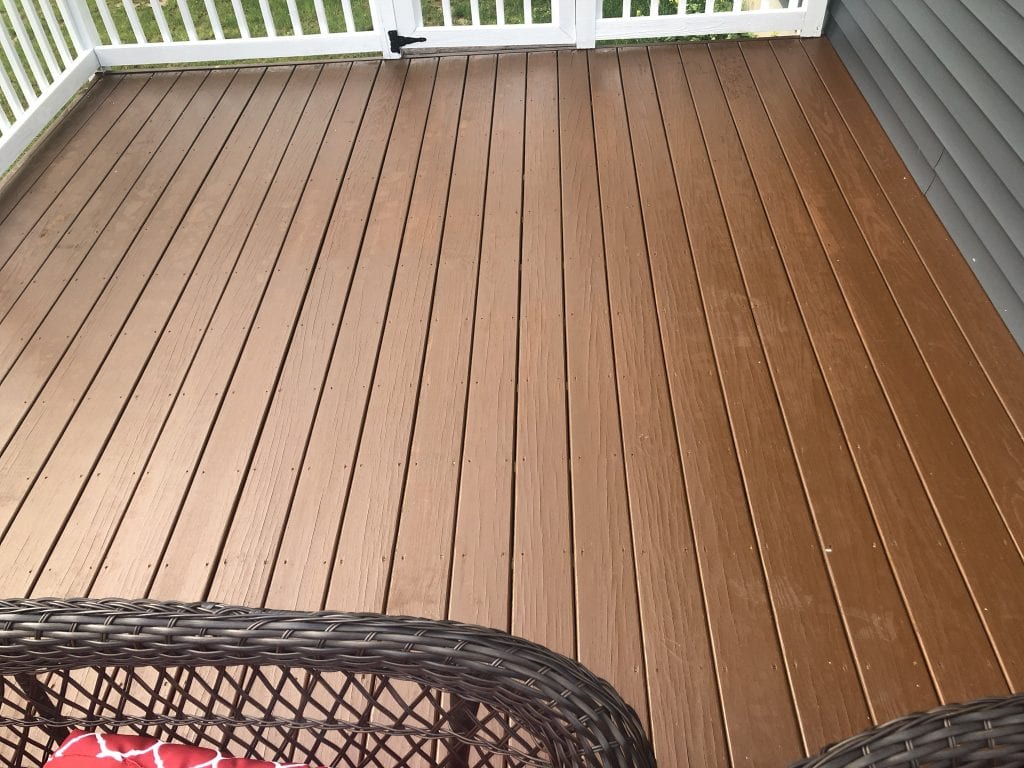
Water-Based Wood Deck Stains
Water-based deck stains have risen rapidly in the last 8-10 years. The main reason for the vast number of water-based stains on the market today is related to changes in VOC laws across the country. Many states have adopted or will adopt lower VOC (Volatile Organic Compounds) regulations, which has prompted stain manufacturers to increase the production of water-soluble decking stains. Water-based deck stains are “thin” paints with varying amounts of acrylic and pigment. Most water-based deck stain brands have a high failure rate, but a few great options exist.
Water-Based Deck Stains (Acrylic Coatings)
- Appearance: Natural to slightly enhanced color (varies by opacity)
- Wood Grain: Visible in transparent and semi-transparent versions
- Protection Level: Good UV resistance and water repellency
- Best For: Newer wood, maintenance coats, and areas with strict VOC regulations
- Maintenance: Moderate — easier than solid stains but not as forgiving as oil-based
Water-based deck stains use acrylic resins to bond to the wood surface while still allowing some penetration. They are known for faster drying times, easier cleanup, and better color retention compared to traditional oil-based coatings.
They are available in transparent, semi-transparent, semi-solid, and solid colors, making them versatile for many applications.
When to Use a Water-Based Deck Stain
- You want faster drying times and easier application
- You are working in an area with VOC restrictions
- The deck is newer or in good condition
- You want better UV color retention over time
Downsides of Water-Based Stains
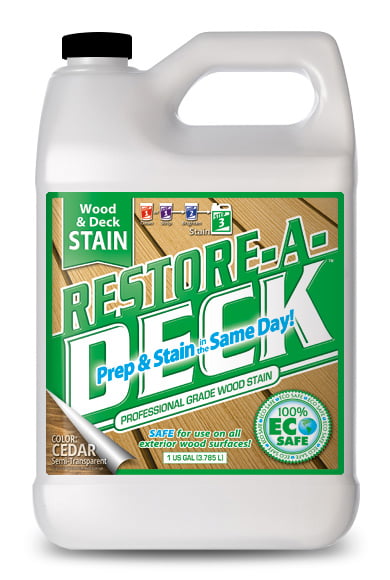
- Do not always penetrate as deeply as oil-based stains — Restore-A-Deck Wood Stains and Defy Wood Stains are the exceptions I’ve used successfully; they penetrate the best of all water-based stains, nearly as well as an oil.
- Can be less forgiving during application (lap marks possible)
- May require more prep for proper adhesion
- Slightly harder to recoat than penetrating oil stains
Water-Based vs. Oil-Based Deck Stains
- Water-Based Stains:
- Faster drying and easier cleanup
- Better UV color retention
- Lower VOC content
- Oil-Based Stains:
- Deeper penetration into wood
- Easier long-term maintenance
- More natural aging and wear
Expert Tip: Water-based stains perform best on properly prepped wood. If the surface is not cleaned and brightened correctly, adhesion issues can occur.
My Pros: Water cleanup, less chance of mold or mildew growth. Environmentally friendly.
My Cons: They do not penetrate as well as an oil-based product can. They are slightly more complicated to apply since they dry quickly, and can be prone to peeling and wearing.
Oil-Based Wood Deck Stains

Oil Based DeckStain
Oil-based decking stains have been around for 30-40 years and have traditionally been what all stain manufacturers produce. Oil-based stains are typically made up of natural and synthetic oils. Many contain oils such as linseed oil, paraffin oil, tung oil, and rosewood oil.
Oil-Based Deck Coatings (Penetrating Oil Stains)
- Appearance: Natural-looking finish that enhances wood grain
- Wood Grain: Visible (varies by transparency level)
- Protection Level: Excellent water resistance, moderate UV protection (with pigment)
- Best For: Most exterior wood decks, especially older or weathered wood
- Maintenance: Easy — can be cleaned and recoated without heavy stripping
Oil-based deck coatings are designed to penetrate deep into the wood fibers, helping to protect from moisture while enhancing the natural look of the wood. Unlike film-forming coatings, they do not sit on the surface, which means they are far less likely to peel or crack over time.
They are commonly available in transparent, semi-transparent, and semi-solid versions, depending on how much pigment is added.
When to Use an Oil-Based Deck Coating
- You want a natural wood appearance with enhanced grain
- The deck is older or has been previously stained
- You prefer easy maintenance and recoating
- You want a coating that is less likely to peel
Downsides of Oil-Based Coatings
- Slower drying times compared to water-based products
- Can attract mildew in humid or shaded areas
- VOC restrictions in some states may limit availability
- Requires proper application to avoid over-penetration or darkening
Oil-Based vs. Water-Based Deck Coatings
- Oil-Based Coatings:
- Deeper penetration into wood
- Easier to maintain and reapply
- Rich, natural finish
- Water-Based Coatings:
- Faster drying
- Better UV resistance retention
- Lower VOC and easier cleanup
Expert Tip: Oil-based penetrating stains are typically the easiest coatings to maintain long-term since they wear naturally instead of peeling like film-forming products.
My Pros: Excellent penetration into the wood. The better a deck stain can penetrate, the better its performance. It is also easier to apply and more natural-looking.
My Cons: Stronger odors, longer drying, and curing time. Some oils can promote the growth of mildew. Some oil-based stains will darken in color over time.
Deck Resurface Coatings
Deck Resurfacing Coatings (Restoration Coatings)
- Appearance: Thick, opaque coating that fills cracks and hides wood grain
- Wood Grain: Not visible
- Protection Level: High surface protection, seals and bridges damaged areas
- Best For: Severely weathered, splintered, or structurally sound but worn decks
- Maintenance: Moderate to high — can peel or wear unevenly over time
Deck resurfacing coatings are designed to restore old or damaged wood by creating a thick protective layer over the surface. Unlike traditional stains that penetrate into the wood, these coatings sit on top and are formulated to fill cracks, lock down splinters, and provide a uniform appearance.
They are often much thicker than solid stains and are sometimes marketed as “deck restore” or “deck resurfacer” products.
When to Use a Deck Resurfacing Coating
- The deck is heavily weathered, splintering, or rough
- Previous coatings have failed and the surface is uneven
- You want to extend the life of the deck without replacing boards
- The wood is still structurally sound but cosmetically worn
Downsides of Resurfacing Coatings
- Can peel or crack over time, especially in high-traffic areas
- Difficult to remove once applied
- Requires extensive prep before application
- Not suitable for newer or healthy wood
Resurfacing Coatings vs. Solid Deck Stains
- Resurfacing Coatings:
Thicker, designed to fill cracks and restore damaged wood - Solid Stains:
Thinner, provide color and protection but do not repair surface damage
Expert Tip: Deck resurfacers can be a short-term solution for heavily worn decks, but they often require more maintenance and prep than penetrating stains. If the wood is still in decent shape, a penetrating stain is usually the better long-term option.
My Pros: Excellent UV protection, enhanced traction, and filling of voids and cracks. Restoring an older deck is an excellent idea if it works.
My Cons: So far, most of these product types have failed miserably. They peel after the first winter and cannot be removed with a deck stain stripper. Sanding, scraping, or even replacement of the wood is needed. There are many reviews on our site and other sites with angry consumers and product failures. Class action lawsuits have been filed against Rust-Oleum Deck Restore and Olympic Rescue-It. Behr DeckOver has the same issues as well. Only a couple of these products seem to work. Consider Gulf Synthetics Deck Revive if you want one of these coatings. See this link for more info, articles, and reviews on these coatings: Deck Resurface Coatings.


Gulf Synthetics Deck Revive Photos
Solid Color Decking Stains (Opaque)
Solid Color Deck Stains
- Appearance: Opaque (paint-like finish)
- Wood Grain: Hidden
- Protection Level: Maximum UV protection
- Best For: Very old or damaged wood
- Maintenance: High — prone to peeling and requires more prep
Solid deck stains look like paints but are thinner for better adhesion and penetration into the wood. They cover or mask the wood, so you will no longer see the wood grain. Once you apply a solid decking stain, there is little chance you will ever be able to go back to a transparent stain. Solid stains come in water-based versions only nowadays.
My Pros: Excellent UV protection.
My Cons: Films on top of the wood, doesn’t penetrate well, is susceptible to peeling, looks like paint, and is more challenging to apply. It cannot be effectively removed with a deck stain stripper.
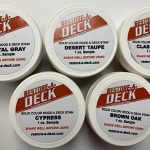
Solid Color Deck Stain Photos
Semi-Solid Wood Deck Stains
Semi-Solid Deck Stains
- Appearance: Rich color, less grain visibility
- Wood Grain: Partially visible
- Protection Level: Higher UV protection
- Best For: Older decks with imperfections
- Maintenance: Moderate — can build up over time
A semi-solid deck stain will only show a small amount of wood grain, as it contains a high amount of pigment. Only a limited number of manufacturers offer semi-solids, which can be both water-based and oil-based.
My Pros: They provide excellent UV protection. However, if they’re water-based, they’re prone to peeling — look for oil-based semi-solid stains only.
My Cons: Only a tiny amount of wood grain will show. Oil-based semi-solid versions will penetrate and perform much better than water-based versions.
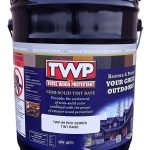
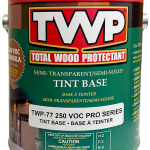
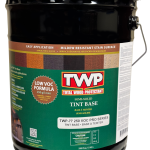
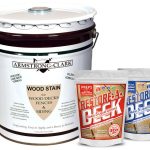


Semi-Solid Deck Stain Photos
Semi-Transparent Wood Deck Stains
Semi-Transparent Deck Stains
- Appearance: Adds color while enhancing grain
- Wood Grain: Clearly visible
- Protection Level: Moderate UV and water protection
- Best For: Most decks
- Maintenance: Easy to clean and recoat every 2–3 years
These are my favorites, but the primary key is that it must be a penetrating semi-transparent stain. Semi-transparent deck stains contain pigments that highlight the natural grain while sealing the surface. Both water and oil-based versions are available.
My Pros: They offer average to better-than-average UV protection, show natural grain, and have very good penetration. In most scenarios, they can be cleaned and recoated easily and removed with a deck stain stripper.
My Cons: Most water-based versions perform poorly compared to the oils. Many states with low VOC laws have limited quality oil-based stains available. You may need to buy online if you live in a low VOC area.
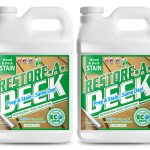
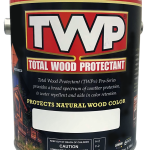
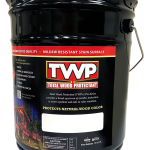
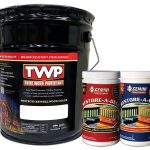
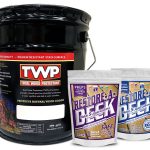
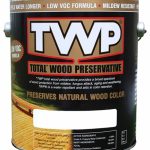
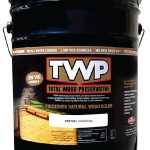
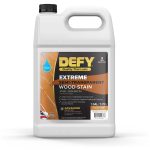
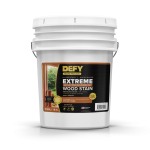
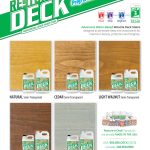
Semi-Transparent Deck Stain Photos
Transparent Wood Deck Stains
Transparent Deck Stains
- Appearance: Clear or very light tint
- Wood Grain: Fully visible
- Protection Level: Low UV protection
- Best For: New wood, premium hardwoods (IPE, mahogany)
- Maintenance: Requires frequent reapplication (annually in many cases)
Transparent deck coatings look the most natural, as they contain minimal pigment. The average life of a transparent decking stain is about one year. Mostly oil-based options are available.
My Pros: Straightforward to apply and reapply as needed. Natural-looking.
My Cons: Below-average UV protection. Typically needs to be recoated annually.

Transparent Deck Stain Colors
Clear Wood Deck Finishes

Clear Deck Sealer
Clear Wood Sealers (No Color Added)
- Appearance: Completely clear with no pigment
- Wood Grain: 100% visible (natural look)
- Protection Level: Low UV protection, good water repellency
- Best For: New wood, hardwoods (IPE, mahogany), and users wanting a natural, unstained look
- Maintenance: Requires frequent reapplication (often every 6–12 months)
Clear wood sealers are designed to protect the wood from water penetration while maintaining its natural color. Unlike transparent deck stains, they contain no added pigments, which means they offer little to no UV protection from the sun.
Because of this, wood sealed with a clear sealer will typically gray faster when exposed to sunlight compared to even lightly pigmented stains.
When to Use a Clear Wood Sealer
- You want a completely natural, “no-color” appearance
- You want the wood to gray
- The deck is covered or has minimal direct UV exposure
- You are okay with more frequent maintenance
Downsides of Clear Sealers
- No UV protection
- Faster graying in full sun
- More frequent maintenance than pigmented stains
My Pros: They do not change the appearance of the wood. They are extremely easy to apply.
My Cons: Within months, the wood will gray and oxidize from the sun’s UV.
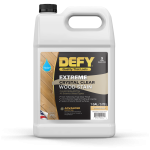

Low VOC Stains and States
Currently, 20 states and Canada restrict decking stains and coatings. These states require fewer volatile organic compounds to be released into the air. The lower VOC changes mainly affect oil-based coatings. By lowering the amount of “solvents” that can evaporate into the ozone, manufacturers need to increase the amount of “solids.” This can cause issues with oil-based stains, which may have drying and curing problems. A few good oil-based stains are still allowed in low VOC states but are not as readily available at your local stores. You may need to go online to find them and have them shipped. Examples would be the TWP 1500 Series and Armstrong Clark Wood Stains.
Current Low VOC States:
California, Colorado, Connecticut, Rhode Island, Maine, Massachusetts, Michigan, New Hampshire, Vermont, Delaware, District of Columbia, Maryland, New Jersey, New York, Northern VA, Pennsylvania, Arizona, Ohio, Illinois, and Indiana.

Common Deck Stain Type Questions
What Are Deck Stains, and Why Use Them?
Deck stains protect and preserve exterior wood. They offer UV protection, water repellency, mold and mildew resistance, and more. Deck coatings come in many types of opacity and bases. Based on VOC laws, many deck stain brands can be restricted in certain states, cities, and countries, and unfortunately, walking into your local store may produce some of the worst options available.
Difference of Non-Drying Oil vs. Drying Oil-Based Stains
Drying oils are “curing” oils. This means that they actually dry on top of or just below the surface. They will also help “seal” the wood. Non-drying oils are the opposite — they never dry or fully cure but dive deep into the wood to help condition the cells. Paraffin oil (not wax) is the most common.
Are Deck Finishes, Stains, and Sealers the Same Thing?
This question can be confusing to homeowners. All deck stains are sealers that will help prevent water absorption. Deck sealers typically are not stains, as they do not have any pigment. Some, though, may have a very light tint.
What’s the Right Deck Stain for My Needs?
I always recommend homeowners obtain a couple of samples to start. Apply two coats of each to very small areas of the deck as a test to properly assess the color and appearance of the different stains before making a purchase. Once applied, the color of a stain often appears differently than expected, so it may or may not blend in well with the grain of the wood.
Also, I recommend checking that the price of the product you choose fits your budget. Keep in mind that higher-priced stains will not necessarily be the longest-lasting. Make sure you are happy with the appearance of the stain and choose an established brand, as you might need to buy more of the product in the future.
My Best Deck Stain Suggestions
I prefer penetrating semi-transparent products among all these different types of products, as they allow the wood grain to show. They offer better-than-average UV protection and can be easier to reapply in the future. Penetration is better for oil-based versions than water-based versions. The exceptions for quality semi-transparent penetrating water-based stains would be Defy Extreme Stains and Restore-A-Deck Stains.
Want free help choosing your deck stain type? Ask below in the comments!
See My List of the Best 8 Semi-Transparent Deck Stains
What Other Tools Do I Need?
Some of the tools needed to get the job done include:
- Personal protective equipment (PPE), such as eye coverings and gloves.
- Deck cleaner and deck brightener (neutralizer) for prepping the surfaces.
- Hose for rinsing things and hand rags for cleaning up.
- Tarps or plastic for covering nearby vegetation.
- A hammer, drill, screws, and nails for any repairs.
- A bucket with stir sticks.
- A pole sander and hand sander with sandpaper (no finer than 80 grit).
- A pump-style or airless sprayer.
- A roller and roller tray, a stain (paint) pad with a pole, or a speed mop.
- Stain brushes with either natural or synthetic bristles.
How to Apply a Deck Stain
1. Review the Manufacturer’s Instructions
Measure your deck to best determine the proper amount of stain needed, and buy a little extra to ensure you don’t run out. Every product is slightly different, so I always read the manufacturer’s application instructions thoroughly. This helps confirm details such as whether to apply one or two coats, the dry time interval between coats, and any safety recommendations.
2. Surface Preparation
Begin by removing all furniture and objects from the deck.
Remove any current (existing) stain using a deck stripping product. Remember to keep children and pets away from these and other chemicals. Thoroughly cleanse the surfaces using a wood cleaner, stiff brush, and power washer (if needed).
Apply a wood deck brightening product to neutralize (pH) acidity and prepare the wood pores for optimal absorption. Limit sanding except for very stubborn spots of existing stain, removing splinters, or leveling raised corners using 40 to 60-grit sandpaper. Let the surface dry completely for two days.
3. Apply Stain to One Board at a Time
You may choose to apply stain with a brush, pad, roller, or sprayer. Avoid pump sprayers and stain pads for thicker or solid stains. Begin applying stain to vertical surfaces followed by floors and staircases. Apply stain to a single board at a time, completely from end to end, while limiting overlap marks.
4. Use a Brush to “Even Out” the Finish
You may “back brush” the stain during the initial application and then use a separate brush to achieve a more uniform appearance.
5. Allow for Penetration and Remove Excess Stain
After application, allow 20 to 30 minutes for the stain to completely soak into the wood. Wipe any remaining, unabsorbed stain away to avoid blotches.
6. Prevent Exposure to Moisture
Remember the importance of checking the weather forecast before starting, for any chances of rain in the next 24 hours, and have tarps or plastic on hand to cover the deck — just in case.
Top Oil- Based Stain | Top Water-Based Stain | Top Solid Color Stain | Easiest to Apply Stain |

| 
| 
| 
|
From: $58.99 | From: $51.99* | From: $69.99* | From: $74.95* |
| ; | ; | ; | ; |
































I am installing Yellawood brand (yellow pine) KDAT Tongue and Groove flooring on a covered porch. I would like to use a clear wood sealer or a transparent stain. Do you have a recommendation for a transparent stain, or is semi-transparent really the best way to go? Yellawood recommends using their Protector products on their lumber. Do you have any experience with those products? Thank You!
A clear or fully transparent product has no pigment, which means zero UV protection and the wood will gray. A covered porch gets less direct sun, but semi-transparent is still the better choice—it shows the full grain while providing real UV protection, and it can be cleaned and recoated without stripping. Use the same semi-transparent penetrating stain on the tongue and groove that you would use on an exposed deck. We have not hands-on tested the Yellawood Protector products, so we cannot speak to how they hold up over time. Since the KDAT is newly installed, give it about 1-2 months of weathering, then prep with a cleaner and brightener before staining.
Thank you for the info! Would you recommend the Defy Extreme over the Restore-A-Deck for this application? Or would either work?
The Restore-A-Deck stain.
Thank You! I appreciate the help!
We have a 26 year old IPE wood deck in very good condition, both on a covered screen porch facing South, and a long covered front porch facing North…
The original finish was Sikkens… it looked great… over the years and over a few different painters and products, we have never achieved that same great original look or durability.
Part of our problem is the extremely hard IPE wood… nothing seems to soak in…
We used Penofin penetrating oil finish for hard woods (transparent IPE color) deck stain last summer, and it looked very good after drying. But after just 8 months and a very cold snowy winter, this spring it looked like almost nothing was applied… the applied finish is almost all gone and black mold is developing. Frustrating…
What semi-transparent stain product do you recommend for IPE extremely hard wood deck on Cape Cod, Massachusetts? Looking for a mahogany or walnut color.
Penofin has known issues with darkening and mold on hardwoods — that lines up with what you’re describing, so it’s not surprising it failed that fast.
For IPE, skip standard semi-transparent stains (including TWP) — they don’t penetrate dense hardwood well. Your best options are Restore-A-Deck or Armstrong Clark’s hardwood colors (Amber, Mahogany, Black Walnut). Since you’re after a mahogany or walnut tone, AC’s Mahogany or Black Walnut would be a good match. Full review: https://www.deckstainhelp.com/ipe-exotic-hardwood-stain-review/
Since you’re switching brands, strip the deck fully first (RAD Stripper + Brightener) rather than applying over the old Penofin. On IPE, one coat only. Expect to recoat annually — the density limits how deep any stain can penetrate.
I have an old deck and I am not sure of the wood type and what stain was used previously. I did a pressure wash cleaning and it looks like this now. I am in Connecticut and what kind of stain is better for this. Also do I need to sand it
You need to strip and then brighten this for prep down to the bare wood: https://www.deckstainhelp.com/product/restore-a-deck-stripper-brightener-kit/
Once that is done, you can use a penetrating stain for the best results.
https://www.deckstainhelp.com/best-semi-transparent-deck-stain-reviews/
I am trying to restore a deck that has been neglected over the years. Attached is a photo where I used RAD Stripper but not the brightener yet. There are some areas that the stain did not release so I’m going to try the booster next as well. Can the experts tell me what type of wood this is? Should I sand it after brightening?
It is a hardwood deck, and it looks like you removed most or all of the old stain. You are mistaken for the dark areas to be old stain when it is the wood grain itself. The stripper raises the pH balance of the wood, darkening it. Brightening neutralizes this and lightens the wood. No matter what, your wood type is going to be reddish brown since it is a hardwood.
I am trying to restore a deck that has been neglected over the years. Attached is a photo where I used RAD Stripper but not the brightener yet. There are some areas that the stain did not release so I’m going to try the booster next as well. Can the experts tell me what type of wood this is? Should I sand it after brightening?
What would you recommend for an older pool deck-I honestly don’t know much about the wood. I have already power washed.
Do you have a picture you can add in the comments?
What is the best product for restoring a 12 yr old composite deck?
See here: https://www.deckstainhelp.com/staining-composite-decks/
Hi Scott, I appreciate all your work you’ve put into this site – it’s been super helpful. My deck is 25+ years old, cedar, and it hasn’t been stained in over 10 years. It is south facing in Northern IL. I don’t know what stain was last used, but there are currently no signs of it anywhere on the deck boards. After reading almost every article on here, I’m leaning toward a semi-solid stain (not sure on a good color with bluish-gray siding). My plan is to do a light powerwash, then a cleaner/brightener rather than stripper/brightener. Should I use a belt sander on the whole deck at some point in this process? Do these deck boards seem beyond saving? I’ve replaced some bad ones, but for the most part everything is still solid. Thanks for any tips.
Clean and brighten for prep while pressure washing. No need for the stripper. You may need to sand some splinters when down. Semi-solids would a great choice for this older deck.
We are building a deck in central Florida with pressure treated pine. How long should we allow the wood to weather, assuming no big storms? Which stain would be best for our semi tropical climate? And do we need to seal it too?
See here about new wood:
https://www.deckstainhelp.com/how-long-should-you-wait-to-stain-a-new-deck/
You do not and cannot apply a sealer over the top of a deck stain. No need as deck stains are sealers as well.
My contractor wants me to purchase a rubber type stain (wood deck around swimming pool)
I see texerized – is that the same? How do I confirm that the stain I purchase will be correct ?
Thank you
I have never heard of a rubberized deck stain.
I have a large deck and this summer I noticed the paint peeling off. I believe this deck was installed 10 years ago but I don’t know if it was stained at the time (it was there when I moved).This is in Perth, Ontario, so cold snowy winters. I called a company to refinish the deck and replace rotten woods. They powerwashed, replaced some boards, flipped other boards up side down, sanded, and are about to paint. They were about to apply a “Behr Premium DeckOver” paint, but I noticed its reviews were pretty bad, that it peels off in not time. I was hoping for something that I don’t need to maintain that often; my main concern is not necessarily the looks of it, but to keep it in good shape and that it lasts a long time with the least amount of maintenance possible. This work wasn’t cheap and I’m not looking forward to doing it for a long time.The picture shows how it looks now; there’s some leftover paint from how it was before, the lighter bards are new pieces, and the darker ones are “cleaned” or flipped and sanded. What kind of paint would you recommend for my case?
You want a solid color deck stain. Not paint or any Behr products. See here:
https://www.deckstainhelp.com/what-are-the-best-solid-color-deck-stains/
I live in CT and have been using Ready Seal which I discovered about 5 years ago to stain my wood railings. It doesn’t last very long though. I had to redo it after two years. I also stumbled upon TWP stain as well applied to my front stairs which seems to last longer (no pics of that). After 2 years these railings below I sprayed with Jobmax solution housewash to kill the black algae and mold, rinsed then reapplied when they dried and they looked good. I tried that this year and the solution didn’t do anything. So after research i used Defy wood cleaner and wood brightener. The cleaner is basically a stripper? Because it removed all the old stain. It turned the wood and dirt into a jelly like consistency after scrubbing with a med/hard bristle brush. It cleaned everything down to the bare wood. I mixed it according to the instructions, 3/4 cup powder to 1 gallon of warm water. Then used the brightener immediately after and the wood looks like fresh cut new again.
My question is, is there an easier way to do this? I just want to remove the light dirt and brighten the starting to gray spots. I don’t want to to this entire scrub/strip process every two years.
I also am switching over from Ready Seal to TWP in hopes it will last longer. Can I use it over Ready Seal with a light sanding or do I need to strip completely?
You will have to strip and brighten if switching to TWP. Only use a deck cleaner if you plan on recoating. They are not designed to just clean off dirt. There is no easy way to just clean dirt off a deck stain without having some potential removal of the deck stain coating.
So what’s the difference between a stripper and the Defy wood cleaner I used? It basically stripped the old finish off it seems. As a side note on vertical surfaces TWP seems to last a LONG time and about 3 years on horizontal surfaces which is about double the time of Ready Seal. I’m switching over to TWP as I run out of Ready Seal. It’s a superior product.
Different chemicals in each product between a stripper and a cleaner. Cleaners can remove old coatings if that old coating is deteriorated.
TWP is much better than Ready Seal when it comes to UV protection
I live in southwestern Pa.
Have a two story PT deck. I have just replaced all the decking boards on the upper deck with KD treated lumber. I have started to do the same on the lower deck underneath. Because of the size of the decks I would like to use a product that will last so I’m not working on these decks yearly. The decks face southeast so they receive full sun, rain , snow through out the year. We had some rot on the lower deck where it was not covered by the upper deck. Not sure if I can use an oil product on the lower deck due to the humid weather we have here in south western Pa and being close to the ground / dont want mold or mildew to rot the deck. Any suggestion are welcome-
Thanks
See this about new wood: https://www.deckstainhelp.com/how-long-should-you-wait-to-stain-a-new-deck/
Wait until spring. Clean and brighten the new wood. Strip and brighten the old wood that has old stain on it. Use a penetrating stain after:
https://www.deckstainhelp.com/best-semi-transparent-deck-stain-reviews/
Hi. Thanks for all the info. Really helpful as I begin a project. Going to put in new deck boards, either cedar or PT. The large deck is completely exposed, all day in the sun, rain, snow in 4 seasons. Do you have a suggestion for semi transparent variety in these conditions? Would transparent hold up? Contractor is going to apply stain to old current framing that is staying. Should this be done in a different stain? Thanks!
Use semi-transparent for all. These are the best options: https://www.deckstainhelp.com/best-semi-transparent-deck-stain-reviews/
What is the semi transparent color used in above picture, that best stain 2024. Or if you don’t which one I am referring to, the first three photos under semi transparent?
That is IPE wood. You cannot get regular pine or cedar wood to look like those pics. The stain used is Armstrong Clark in one of their 3 hardwood colors.
Recently moved into a house with a neglected deck. Don’t believe it is cedar but maybe some kind of spruce. Is it beyond saving or can we sand and get something like twp 1500 on it?
You can save this without issues. Can you send a close up of the stain on the floors? Trying to see if a solid stain or semi-transparent. Need to know to determine prep and what stain type to use.
This is the stain the old home owners had
Hey Scott, I dont know why my phone won’t let me reply, but the stain is Behr premium semi transparent waterproofing stain and sealer from 4 years ago
Please send a picture of a close up of the stain on the floor, not the bucket. Behr lies about their opacity with their stains and many times it looks like a solid stain, not semi-transparent.
Here you go
Use the Restore A Deck Stain stripper with both additives and pressure washing to remove it:
https://www.deckstainhelp.com/restore-a-deck-stain-stripper-booster-thickening-gel-review/
Sand if needed to remove stubborn spots. Brightener after.
Once prepped, use a penetrating semi-transparent stain:
https://www.deckstainhelp.com/best-semi-transparent-deck-stain-reviews/
Thompson’s water sealer and Flood penetrating wood finish have been recommended for restoring my deck. Yellow pine, no coating left, well cleaned back to wood. Which of those or which other preserving finish would you reccommend? Thank you
Neither, very poor or useless products. You can use the search bar to find reviews on the site for both. Best to use one of the brands in our article. https://www.deckstainhelp.com/the-5-best-deck-stain-reviews-and-ratings/
Do you have any experience, or know, about the Sun Frog deck products. They’re designed for the Pacific Northwest? I’ve used it in the past and wonder how it’s holding up.
Sorry but nothing on our end with these products.
pictures – wood is wet from power washing, not quite that shiny…
Good job on prep. Hopefully you did not over sand. See for tips: https://www.deckstainhelp.com/why-sanding-a-deck-can-be-an-issue/
What about Benjamin Moore Woodluxe Water based semi-trans? It purports to be a ‘premium’ stain and has ‘advanced’ penetrating formula that older water-based stains did not. I just spent the last 3 weekends stripping, cleaning and power washing and then sanding (drum sander and then hand belt + oribital sanders) my PTSWYP deck to remove years old stain to get it to a decent bare wood surface and am agonizing to determine which is best option – stain, or just seal, water based or oil, etc. I have been waffling back and forth between oil and water and am now leaning towards a premium water based stain as long as it provides good penetration to minimize flaking and have all the pros of water based
Benjamin Moore has never made a quality wood or deck stain. They try but keep failing. I would stay away from their brands. There are only 2 water based stains that I have seen actually penetrate fully. Defy Extreme and Restore-A-Deck Stains.
Thanks for the sanding information, I had not come across that before. I had already went through 4 pads @ 80grit and 2 pads @100 grit supplied with the drum sander I rented. Now going back over with my hand belt sander using 36grit to tackle the worst of the pits and ridges I made from power washing, and 2nd over with 80. Next will be brightener (have already stripped and washed/neutralized before sanding.)
I’m waffling back over to oil based (over water) after reading this your blog, but still with a color stain (natural cedar tone). I like the idea that oil based seems to be superior to water based and I like the idea of it having a sheen (will probably go semi gloss or gloss). I’m thinking high VOC should not be too problematic since it’s an outdoor deck. I have not seen many options in the stores near me for different OB stain brands, mostly big box having behr and BM and Rust-Oleum.
What’s the general opinion about oil based tinted stain versus a clear oil based sealer only?
You cannot have a shine for a deck stain, that leads to peeling and makes removal when it fails very difficult.
Clear sealers will gray in a matter of months: https://www.deckstainhelp.com/will-a-clear-sealer-prevent-graying-on-deck/
Thanks again for the tip, based on this I think we will try to get the TWP 1500 semi-trans as we are in NE PA. Waiting for a window of dry and sunny days (that I can also etch out free time to do it!) – looking forward to not having to strip and sand again!
TWP makes great stains. We have been using them for 30 years.
I have applied two coats of TWP 1500 to raw wood floor and now I would like to apply something that gives it a slight SHEEN. Could you recommend a product that might do this (not Marine Spar Varnish because Im afraid that will flake and peel)?? Thank you
You cannot do this. You cannot top coat over a deck stain and you cannot add a shiny coating to any exterior flooring. This will lead to product failure and peeling. It will also become a huge pain to fix by heavy power sanding.
Ok. Thank you . Would it add aything to put a third coat over it?
No. Adding to much stain means it cannot penetrate fully and that leads to premature failure. It is not supposed to have a shine.
Ok. Thank you so much
Hi, I have a 16 year old cedar deck. It gets morning sun, no mold or mildew. Last October I washed it with oxiclean, sanded and stained with Cabot semi-solid. The stain did not last the winter. I had used it in the past but never get more than 1 year of good results. I live in Maine. What do you recommend? Thank you
You have two options. Heavy stripping and sanding down to the bare wood so you can use a proper penetrating semi-transparent stain:
https://www.deckstainhelp.com/how-to-remove-a-solid-color-deck-stain-or-paint/
or prep and recoat for a solid stain:
https://www.deckstainhelp.com/how-to-reapply-a-solid-color-deck-stain/
Thank you. I will go with the second option and solid stain. Do you think the RAD coastal gray will blend/cover any stain that is still intact after the prep or should I stay with the Cabot and go to solid instead of semi-solid?
The RAD solid stain will cover it but you will need the 2 coats.
Thank you
Have you ever reviewed #1Deck semi transparent stain or the #1 Deck fence stain products? Are they equivalent to any of the DEFY products? Thanks
#1 Deck is the same as Defy Essential Stain. If you want to use Defy, use the Defy Extreme Stain.
Thanks
Our deck is 4 years old. We live in East Tennessee where we enjoy all four seasons. We let our deck set one year before staining it the next summer. Our deck isn’t covered and gets the sun and all of the elements. We used Thompson’s semi transparent water seal (stain?). Some of the stain has already come off and we pressure washed the rest off. After reading comment’s and your suggestions we thought about using Restore A Deck semi transparent stain. Do you think we still need to use the RAD Stripper or Stripper and Brightener since all of the old stain is washed off? Which stain would you use and what are your suggestions? Thank you so much.
Use the RAD Cleaner and Brightener and then the RAD Stain. It will work great!
What is your opinion of ready seal semi transparent exterior wood stain for a new pine wood fence
Ready Seal is an average stain in our opinion. It goes on easy and looks good but it does not last very long requiring annual upkeep. There are better stains out there. Read this for new wood tips:
https://www.deckstainhelp.com/how-long-should-you-wait-to-stain-a-new-deck/
Do you have a review of Zar exterior stains?
We do not.
about to clean and brighten 9 month pine deck in ga. I will use TWP on floor.
I can’t get the color match I need in defy or RAD solid stains for deck railings. Would you recommend using the closest color I can get in Flood, or use Behr or another name?
Should I use oil or acrylic?
I’ve got to make decision and I’ve searched so much I’m confused. Thanks is for your help.
Behr is garbage so do not use it. Why do you need the solid stain to match? Most use a two toned look:
https://www.deckstainhelp.com/why-have-a-two-toned-deck/
Solid stains only come in water based now.
Hi I sent a question earlier about what to do with 7yr old deck
Prep with this:
https://www.deckstainhelp.com/restore-a-deck-cleaner-system-review/
Stain with Restore A Deck Stains or Armstrong Clark Stains.
What is the best product to put on a 7 year old deck with no board rot . I want to keep the natural wood look stain and seal and what is recommended for cleaning before treatment
What product do you recommend for cleaning the oily wood?
and ,please suggest me what product I can use to protect and stain!
th you!
We need pics and we sent a link prior for the best stain options.
Hi,
I clean and us the thompson oil based sealer and after 2 weeks stil not dry and is still oily.
what can i do ? please i really need suggestion !
You will need to remove it all down to the bare wood. Post some pics of the deck for prep advice. When fully removed, use a better sain than the Thompsons. It is not very good at all.
https://www.deckstainhelp.com/the-5-best-deck-stain-reviews-and-ratings/
Would you recommend a semi transparent or semi solid oil based to cover the deck and it’s issues . I plan to Brighten first. We will sand off some hard to remove bits in railingsI am thinking TWP.
Thanks!
Clean and brighten for prep. You have some old stain on the railings that should be removed. Semi-solid colors will cover the irregularities better when done:
https://www.deckstainhelp.com/best-semi-solid-wood-and-deck-stain-reviews/
My deck was stained with an oil based stain two years ago. Is there anything special I need to do if I use a semi-transparent water based stain this year?
You need to remove the prior coating fully first. How to do this varies based on stain brand and type. Post some pics of the deck if you would like some advice.
is there an oil based stain that can be custom tinted? Thinking semi transparent or semi solid. If so brand. Want to stain PT pine posts match house color.
No, there is not any we now of.
Do you have any feedback on a stain product made in Oregon called Exoshield. From what I understand it uses tung oil. I am curious since I don’t see it on your website.
Sorry but no.
Do you have any plans for testing their product to see how they compare with others for use up here in the Northwest.
I am looking for independent testing that it not paid for by the suppliers so I get a totally honest review. I am not making any comments toward this website, just trying to get good information so I can feel confident using their products. Stripping a large deck because of poor performing products is a ton of work and very disappointing. I have done it a couple of times due to false claims. Thanks
The company is Nova Wood Products
No, we have no plans to test this product at this point. There is not enough interest in the Nova Products and there are many other high quality products out there that have been tested and will work very well.
https://www.deckstainhelp.com/the-5-best-deck-stain-reviews-and-ratings/
Hi, I’m in the middle of restoring my 1100 sq ft deck on my Alaska log home. I read several of your reviews and after selecting a stain that had all the characteristics I was looking for, I found out it is not available in Alaska and no retailers ship there. So, I chose another stain, same result. I chose a third, same result. I did not find any of your 2022 top stains available to Alaska. Can you recommend something that is? Here’s my dilemma – it’s getting late in the year, temps are dropping, it may already be too late to apply stain before winter. In addition, I need to find a stain that can be applied to a damp deck, as it seems I can’t get two dry, rain-free days in a row. Help!
Sorry, but we do not know of any quality stains sold there. Have you considered a freight forwarder company out of WA state?
Fence, treated Pine – used to use Olympic Maximum before they changed formulas. Excellent protection and would dry with a slight sheen and type of protective surface – bonded/soaked in – doesn’t peel. 4 coats at 3 yrs apart and each coat added to the previous coat providing good protection, and color has stayed mostly good for 11 years since last coat. Some areas are showing need for another coat. #1 Is there any current product that seals the same way? And #2 anything that I can put on top of what is there now?
No, and you have to remove what you have if switching stains brands unless you choose to go with a solid stain that will cover your Olympic.
I need to re-stain my deck and I’m unable to get the PARA TimberCare hybrid translucent stain I previously used. I’d like to know what an alternative stain that can be used over my previously stained deck. Photos show the current sanded and un-sanded areas for reference. In previous years I rough sanded the surface and applied the same stain over top which held up very well. Hoping to do the same.
You will need to fully remove your current stain first. Once you do dhti. try TWP or Armstrong Clark Stains.
I live in Seattle, WA and have a large 10 year old cedar deck that was originally stained with Penofin Red Label. My deck floor is not cedar and not part of this project.
I restrained the cedar walls and rails 3 yrs ago, made mistakes along the way, but loved the way it tunes out. However, I neglected it and the beauty didn’t last. This summer, I have hired help and I’m wondering if I should use a different product.
The wood had been cleaned and stipped of all product (using Penofin products to clean and brighten). Photos attached.
Which product would you recommend that will be easy to maintain and hold up in Seattle weather? Thank you!
TWP 100 Series or Armstrong Clark Stains are much better than Penofin.
I have an old deck that I don’t think was ever protected. Age is between 5-10 years. Was here when I bought the house.
I would like to use semi-solid stain. Is that a good idea? Should I power wash it and clean it? I live in Canada and weather is cold most of year but quite sunny July-August.
Best options to buy? I have access to Home Depot, Ben Moore and Sherwin.
Thank you!
Use the Armstrong Clark Stain in semi-solid colors: https://www.deckstainhelp.com/best-semi-solid-wood-and-deck-stain-reviews/
There are not any quality stains at those stores you mentioned.
Thank you so much for this website. I appreciate all the information. We are staining our screened in deck with ReadySeal. That was what they used previously. They recommend two coats. Looks pretty good after one coat, are 2 coats necessary? Are 2 coats recommended so you don’t have to restain as often? Thanks in advance for your reply. Sorry if this was asked before, I didn’t see a way to search the questions.
We would follow the directions RS says when to the number of coats. More is not always better but if it looks dried out, you may need another one.
Thanks, FYI, we are used Restore-A-Deck stripper and brightener and are getting ready to stain our other deck with the recommended TWP. It looks amazing so far. Thank again for all your advice. We had tried the Behr stripper previously, a total waste of time and $$.
Changing from Olympic stain and sealant to Val spar in canyon brown. Is it the sam?
Do not use either, especially Valspar. Horrible stains:
https://www.deckstainhelp.com/valspar-one-coat-stain-sealer-review/
I was glad to see your website. I originally wanted to put on behr semi
-transparent but then read information here. I returned 2gallons, only left 1 gallon for unimportant surfaces. I did the staining last week, and in a small section I tried both to compare. You’re absolutely right! Defy is so much easier to apply and penetrate, while behr stain feels as thick as paint. Behr stain behaves more like a surfactant instead of penetrant. I’ll keep using defy stain for my deck and use the behr only for my fences and vertical surfaces. One question though, for WA where there’s lots of rain and some cold winter times, how often should I re-apply? And do I need to strip old defy stain or I just apply a new layer?
Redo every 2-3 years. Clean and brighen for prep.
Hi someone tell me Olympic maximum semi transparent neutral base deck stain I got it at Lowe’s now they don’t even sell Olympic they’ve changed this once or twice on me from what I originally started and said that they use this which was originally a semi-transparent too so I don’t know if they changed something or not but that’s what it originally had but it seemed like acting like it was a little different but I don’t know I don’t understand it this is turned into a job this stuff never worked it last 2 years an peel it would peel in a spot so I’d have to do the whole deck again now it looks like a solid the stuff don’t work and I don’t even want stain no more . Turned into a job. Was originally supposed to last five six years it never lasted but 2 years ever every two years I’m tired of doing it I want to know if there’s a paint an oil-based paint that I can paint over it this stain does not work it’s not worth the price it’s junk and turned into some kind of crazy science fiction science to try and figure out how to find something to work talking to any of these paint people you can’t believe anything from Sherwin-Williams to Lowe’s to Menards any of them what really works and it’s too expensive being robbed my opinion is they took the pigment the lead the oil out of all these products and charge more money and nothing works it’s whitewash is all it is expensive whitewash junk. These company’s are liars. If anyone is thinking about a deck Concrete it be better cheaper no maintenance you will be happier believe me unless you want spent all your time dealing stripping wasting money on lies an maintenance . Sorry this is long am mad now I find this about VCO or VOC restrictions on stains in different areas states another problem so more white wash this stain I remember use be 4 bucks a gallon what a robbery hoax they got going an was better than now what’s lies an more lies about stains . Does anyone remember when you could feel the oil in the paint when you put it on not anymore so now they flat lie an made a full time job try figure out there lies there no end to this . How many questions here about stain its bull crap a cheap white wash that they want you to believe works and create more & more lies cover up there’s lies people . This crazy for last few years been trying figure out why can’t find how fix this product last longer it won’t sanding give me a break sand cheap stain redo what he’ll you build a deck for if all you do is redo it. IAM convince this is all big hoax they’re not making products that work anymore and… Read more »
What is the best clear coat deck sealer
You need a deck stain as a clear sealer will not prevent UV graying. Use one of these semi-transparent stains: https://www.deckstainhelp.com/the-5-best-deck-stain-reviews-and-ratings/
Before I found your website, I saw a youtube video that said to clean the deck with solution of 2 c.Oxiclean, 1/4 c. dish soap and 2 gal.water. It had good reviews so I did it. Our deck was installed in Aug 2020 and hasn’t had stain or sealer applied yet so it still looks good. Can I assume this cleaning is sufficient and I can now apply the stain?
Post some pics of the prep.
We replaced our deck in Aug 2020 and haven’t stained it yet. We live in MI so snow is a factor to consider. Plus our deck gets intense sun in the summer so we will probably go with either clear or very minimal tint. Can you direct me to a product that will last more than one year?
Look at TWP 100 Series or Restore a Deck Stains. Make sure to prep. Clean and then brighten the wood.
What are your thoughts on Flood brand wood finish? Have used it for years but wondering if I should switch to Behr or something else.
Flood used to be good and then they changed the formula: https://www.deckstainhelp.com/flood-cwf-uv5-oil-wood-stain-review/
Behr is even worse: https://www.deckstainhelp.com/behr-deck-stain-review/
Would I need to strip the deck if I switched products? I’m also needing to replace part of the fence around the deck so I will have some un-stained wood as well.
Yes, you have to remove the current whenever switching brands. For help with this, reply with some pictures in the comments.
Hi,
Two years ago moved into a house built in 1983 with a large deck. The previous owners used some sort of stain that looks like paint and has been peeling up for over a year. I want to re-stain with a better product that hopefully will last longer. Is the proper method to power wash, then sand, then apply stain? I’m assuming Restore-A-Deck Wood Stains and Defy Wood Stains are the most recommended stains? I would like my stain to last a while and be envirnementally friendly if possible.
Yes, pressure wash, sand any peeling stain, cover the intact stain with a new solid stain. Use the Restore A Deck Solid Stains.
Thanks for the response. Is there a reason why you recommend solid stain over semitransparent stain? Also, for the prep work, should I use a deck stain remover before I pressure wash? Thanks again!
You cannot use a semi-transparent unless you are able to fully remove the current coating off your deck. If you are able to fully sand it off, then you can use a semi-transparent. You cannot strip off a solid stain or paint. Sand only.
I applied two coats of Olympic Rescue It on my deck in 2019.
I followed all Olympic suggested preparations. Within the first few months after using the product, I noticed blistering and peeling. I painted over the Olympic with a light color exterior paint, hoping the blistering would stop. The blistering continued; the following year I repainted the deck with a dark exterior paint in order to remove as much of the Olympic Rescue It. This method worked, yet hours and hours of scraping took place the entire summer to remove the Olympic Rescue It, When the deck wood was dry, I applied Thompson’s WaterSeal TOTAL, then applied two coats of paint: one coat of Sherwin Williams Everlast and one coat of Valspar Duramax Flex-Shield 365. This has worked well; the only areas blistering are the areas the original Olympic Rescue It remained. I have many photos of the deck and actual samples of the blistered Olympic Rescue It.
I sanded and cleaned my deck last year. Used a brightener also. Then the weather turned cold. Can I stain it now without re cleaning it
No, you must redo the prep.
If an older deck in Wisconsin has what a painter called an “opaque stain” on it currently, and it is pretty much in need of a power wash and a couple of coats of stain now, what stain would you recommend? The wood is good but definitely needs staining at this point. It’s a large deck.( Never used a power sprayer for painting. Is that something we should consider, or just a brush?)
Thanks for your advice.
Camille
Use one of these solid stains since you already have one on the deck: https://www.deckstainhelp.com/what-are-the-best-solid-color-deck-stains/
Do you have any experience with the Flood Pro Series “Semi-Opaque” stains? I’d like to go with a semi-solid oil-based stain for my pressure treated deck (I don’t like the look of solid stains). Half of the deck is 10+ years old and recently stripped/sanded, and half is newly-built/unstained. I prefer to buy from a local retailer rather than order online. That pretty much leaves me with choices of Flood Semi-opaque, Pittsburgh Paramount semi-solid, Olympic Elite semi-solid, and Cabot semi-solid. Out of those, what would be your pick? Or is there a better semi-solid that’s are widely available at local paint/lumber stores? TWP is not available to me locally. Thanks.
If you want an oil-based semi-solid then use the TWP or AC brands. We would not suggest the Flood stain or any of the brands you mentioned. Also, they are all water-based.
https://www.deckstainhelp.com/best-semi-solid-wood-and-deck-stain-reviews/
As I said in my original post, I would like to purchase the stain in my local area, not online, and I cannot obtain TWC or AC locally. I’m asking for a recommendation for a good “runner up” to those products, which is available at retail stores.
There isn’t anything you can find decent at a big box store such as Lowes, Home Depot, Menards that is oil-based and semi-solid. All of the ones you mentioned and can find at your local stores are water-based semi-solids and they do not work very well and are hard to apply.
I have been using Benjamin Moore Arborcoat semi-solid light grey oil based stain on my deck. I have noticed that it looks dirty after only a few weeks. It looks great when cleaned but is a pain to have to clean it every few weeks. Is there anything that can be done to lessen the dirty & muddy look that regularly occurs.
Thank You
Sorry but no as you can never top coat over a deck stain with a clear coating.
I have been going in circles trying to figure out best stain for my 2 year old PT pine fence. I want max water and UV protection (wouldn’t have to recoat for 5 years or more), and had decided on TWP semi-solid stain until I realized that second coat is wet on wet (recoat within 30 minutes). I think after I stain 3000 sq feet that I won’t have the energy to start a second coat immediately. What semi-solid, oil based, penetrating stain would you recommend that doesn’t require second coat on the same day, and has reputation for long wear? Does whether it is drying or non-drying matter? Thanks
In most scenarios, you will only need one coat with the TWP Semi-solid, not two. Just do the one and you will be fine. It has a high amount of solids so the one coat will be more than enough. We only did one coat in this video.
https://youtu.be/bfmzJ2Hvf6Q
I live in NW Washington State. I have a deck that I am adding onto so part new and the rest have completely sanded stain off. Cedar wood, no mildew, stain had peeled off quite a bit but don’t no when past owners did it. Gets mostly full sun when we have it but also rains a lot here.
What kind of stain do you recommend? Water or oil based? Semi transparent or opaque? How large of an area will recommended stain cover?
Thanks so much for your help!
We would need you to post some pictures of the current condition here in the comments for prep and stain help.
Here’s a photo of the new wood and what the stain look like on the stairs before we sanded it off.
Clean and brighten this wood for final prep. This will help the stain soak in deeper. Stain with one coat. Use TWP 100 Series or the Restore a Deck Stain. For amount needed, we would need to know your sq footage.
What does clean and bright mean? Also, do you prefer oil or water base for my area? Area is about 300 ft.². Thank you so much!
Either base is fine as long as you are using high-end products.
A deck cleaner and then a wood brightener. See example here: https://www.deckstainhelp.com/restore-a-deck-cleaner-system-review/
Great thanks, how much would you recommend for 350 ft.²?
For the stain, that would vary on which brand you choose. For the prep, just one of the kits mentioned in the link.
Hello, we have a cedar deck that is 25 years old and has been completely stripped and refinished 3 times because of peeling. We used Sikkens, cedar recommended by the deck builder all three times. We were unhappy with the product initially and Sikkens gave us their product free and told us to try it again and we did. Same thing happened a lot of peeling. We have tried to maintain it every two years and reapplying product the last time, two years ago after we applied the product the deck started turning black.
We stripped the deck by sanding it all down recently and I found your site afterwards so I only have pictures of the steps unhanded.
We have a few boards that need to be replaced can we replace them with treated lumber or would the difference after staining be too significant?? Cedar boards are beyond pricy right now.
What product would you recommend?? We live in western PA the deck gets a lot of sun until 3 o’clock.
I have not stripped the posts yet so I will send pictures of those ( that is what the whole deck looked like) but should I just paint them or use a semi solid stain on them?? I am not sure I can get all the stain off of them. I was thinking white?? keeping the top rail the same color as the deck.
The last picture of the post is the closest to what it looked like before most of it turning black. Thank you in advance
If you want to stain the railings white then you will need a solid stain. You will still need to strip the railings.
New wood will always stain lighter in color.
You will need to remove all the Sikkens if you want to use a semi-transparent or semi-solid stain. Try the Restore A Deck Stripper with both additives: https://www.deckstainhelp.com/restore-a-deck-stain-stripper-booster-thickening-gel-review/
One more…if solid is sanded off with rented sander…can i move to a semitransparent oils base? It seems like that is less Upkeep.? Also o i need to do brighter again after sanding?
If you remove 100%, then yes, you can switch. Give the wood a good clean and brighten after sanding.
Any chAnce I could use TWP pro series Semi solid ? Almost everything off with deck sander except in between and a few edge marks.. power washed multiple times and stripped .. but had issue with Behr unfortunately didn’t find you first.
You should still remove all of the solid stain if going with a penetrating semi-solid like the TWP Semi-Solid.
I understand the no wood filler part with semi transparent , i have couple deep knots/cracks. Can i use a filler if using solid stain? Or some sort of epoxy? I can’t replace some of those boards due to it supporting a pergola.
It would have to be outdoor rated and can handle freeze/thaw if applicable to you. We have never had good luck with this.
Why didn’t i find you loooong ago…so used your terribly rated Behr stripper and brighter on a solid stain 18by20 deck…thought it was pretty good and then put on an oil based brown stain…disaster….called Behr… used 3 gallons of their stripper and 8 hours of steel brushing….what an ordeal. If I understand correctly….i will be renting a deck sander from Home Depot….then i want to get restore a deck brighter and either oil based semitransparent or solid in brown (as before) where do i get this stuff. I google it and it doesn’t go right to this product. Can i get it locally ? I’m in Michigan. Pictures to follow …
The only effective way to remove a solid stain is to sand it all off. Google TWP or Armstrong Clark stains in Michigan. You will find dealers for both or buy online and have it shipped.
We have a 25 year old deck. It has been stained every 4 to 5 years and at least the last 2 times with Sherwin Williams super deck solid stain. It is peeling in a few spots (mostly at the ends of the boards) and several of the boards have small cracks in them. We have sprayed with deck cleaner and power washed it. Do we need to sand now? About 1/2 of the deck boards are in good shape. We live in Ohio so have all weather. We are ok continuing with solid stain as we like the color. Do you recommend SW at all? If not which solid stain?
Sand off any peeling stain and then cover with a new solid stain. We do not like SW at all. Look at one of these brands for a solid stain: https://www.deckstainhelp.com/what-are-the-best-solid-color-deck-stains/
Hi! I have a 5 year old cedar deck that we have stained with Armstrong Clark Semi Transparent Cedar a couple times already since it was new. Can I just re-stain with the same brand/color or do you recommend power washing and/or applying the RAD cleaner/brightner first?
You always have to prep when you recoat. Use the prep kit.
Hi, I used wood filler to repair my deck and then I used twp1500 dark oak to stain the wood after cleaning hoping the discoloration from the wood filler wouldn’t be so obvious. What would you recommend to do to improve the discolored patch from my wood filler? Should I apply an interior paint to match the dark oak semitransparent color? Or switch to a solid stain instead? I live in NY.
There is not a way to blend wood filler with a semi-transparent deck stain that we know of. This is why we tell people never to use wood filler on decks. Maybe one of those Minwax touch up stain pens will make it blend but we have never tried it.
If you switch to a solid stain you will need to strip off the TWP first.
I have a 3 year old deck that was stained with Sherman Williams Superdeck waterborne stain. I want to switch to semi solid or semi transparent oil based stain. Is that going to be an issue? Any recommendations on which one to use? I am getting deck pressure washed with chemicals prior toputting new stain.
You will have to fully remove the current coating and how to do that depends on the type of stain the SW was? Pictures would help as well.
Once removed, use one of these top brands: https://www.deckstainhelp.com/the-5-best-deck-stain-reviews-and-ratings/
Thanks. Picture of the label from SW original stain is attached. If I understood your reply correctly, in order to use oil based stain, I need to fully remove previous water based stain. If I just get deck pressure washed, I can only use another water base stain. Am I correct?
You will have to remove the current coating no matter what when switching stains. The “base” of the stain does not matter.
We would need to see pictures of the deck for prep help.
Can you recommend a pet friendly oil base stain?
They are all pet friendly once fully cured. Try TWP Stains.
I have a wooden free-standing swing built last summer. I wanted to wait for the wood to dry out before staining. It is mostly redwood with some treated wood for the frame. It has been sanded and I will lightly sand it 1 more time. Do I need to use the prep materials on it prior to staining? Which stain would be the best? I live in Utah but put it in the garage for the winter.
Clean and brighten is the proper prep. Stain with Armstrong Clark or Restore A Deck Stains.
Help! I have tried on numerous occasions to end the relationship with my deck lol. On a more serious note we need some good advice. We have been painting the deck solid stain for ( to) many years. We did this in spring of 2019 and thought possibly just a touch up this year. But after taking a closer look and starting to scrape the solid stain is peeling right off on many boards. It is even taking previous coatings off down to the bare wood. It seems like it never adhered to the wood boards in many areas and that moisture was getting trapped between the board and stain. First we need advice on preparation (scraping and sanding where necessary) and then which product of solid stain you would recommend. Also why this is happening so we can avoid in the future.
You will have to power sand it all off. See below for some tips on sanding. Once removed, try Restore A Deck Solid stains or Flood Solid Stains.
https://www.deckstainhelp.com/how-to-sand-your-wood-deck/
Power sand the loose paint? Or all the boards even what is adhering ?
All of it as it seems to underlying problem is the first coat.
It’s a Cabot solid stain.
Mayday mayday,
I have a party in three weeks and the deck I stained has a white film on it and it won’t come off. I need help soon.
There is no way to remove the white outside of re-coating.
Decks were refinished in 2016 with Defy. Over 1200 sq feet and I see that there is still over 2/3 of a 5 gal can of product? Is this any good? And how much should be used to cover that amount of square feet?
It has most likely gone bad. About 12 gallons for two coats applied wet on wet.
My decks had all been done with Defy for Hardwood in 2016. Totally around 1200 sq feet : top deck gets lots of sun, middle one none as it is covered by top deck and small zen deck and stair lots of sun too. See pics. The first 2 show the top deck and you can see what original finish was as this little spot was covered by a mat. Pic #2 shows the area where sun has beaten down. Pic #3 the Zen den which gets full sun and Pic 4 the deck under the top deck which just seems to still be in dood albeit dirty shape.Trying to determine is it going to be necessary to sand all levels or can I get away with cleaning and putting new coat on lower level while redoing the top and Zen? And what products of Defy do I use now. Not sure how Defy Extreme varies from Defy Hardwood and the cleaner, strippers and brightener? Trying hard to stick with non oil based product. thanks for your help
Strip and brighten for prep all wood. Use the Defy Extreme stain for this after.
I have a choice to get other TWP 1500 or the older 100. I feel that 100 has proven years behind while 1500 is relatively newer to better comply with voc. Which do you recommend? If the 1500 really is just at good as the old 100, why do they still carry that line…thanks.
Either is equally good. You would have to ask TWP manufacturer on the why.
Do you have any experience/heard about General Finishes Outdoor Oil? Thanks
We do not.
I have a deck that had two different solid color stains on it that was peeling badly. I power sanded it using 80 grit. I was able to remove 99% of it on the deck but could not get the sides between the boards. I swept it and used a blower on the deck and than washed the deck with water. Since there is some gray stain showing in small areas I would like to use a semi-transparent gray color on it
1] Do I need to do anything else to prepare the wood for staining?
2] I want to use a water based semi-transparent stain since I think it would be easier to re-stain it in a couple of years.
3] what brand would you suggest that will not peel and have a good penetration. I live in New York State with harsh winters.
4] Would I be able to use only one coat on it?
I cannot figure out how to attach a picture
Thank You
Do you have any pictures of your prep so far?
This is a picture of the deck as it is now after doing the sanding.
For final prep, use a deck cleaner and a wood brightener to help open up the pores.
Stain with Armstrong Clark in Driftwood Gray or TWP 200 Series in Slate Gray.
Do I still need to do this after I sanded? I plan on using rad solid stain since some areas still show some stain. Also do I need to use a roller and brush to apply or one or the other? Thanks
Yes, sanding closes the pores so you need to open them back up with the cleaner and the wood brightener. Use a roller and brush to apply a solid stain.
I still am not clear on the roller and brush. Do you apply the solid stain with a brush and than go over it with a roller to smooth it out or are you saying I can use a roller or a brush. Please explain. Thank you
Use both. Edge out with the brush and for smaller areas and use the roller for larger areas to cover.
1]For my 195 sq ft deck that has been sanded and prepped, how many gallons of RAD water base solid stain would I need?
2] what type of roller cover do I need?
3] what type of brush do I need?
4] can I use a brush to stain the sides in between the boards 1st and than roll the top of the boards?
5]do I apply thin coat than wait 24 hours and apply a second thin coat?
Thank you for all your advice!
I am going to be using the RAD water base solid stain on my deck. I read the instructions but it does not state how thick to apply each coat. Should I apply a thin layer meaning I would still see part of the wood
Than after it is dry apply another thin layer?
Also if I use a roller or stain pad do I need to go over it with a brush?
Thanks for all your advice
Use rollers for solid stains, not brushes. You apply the first coat the same as applying a paint. To the point you cannot see the wood grain.
Is there a deck stain that’s only has to be applied only once instead of once a year?
No deck stain will last more than 2-3 years. If you are doing annually, then you should switch.
I’m planning to have someone stain my deck next month because I have young kids and it’s hard to make time to do labor intensive work around my house.
I live in Maine (harsh winter) and was wondering which type of stain would last the longest/ need less upkeep. This deck is attached to a garage that we don’t use, but know we must protect it so it doesn’t rot. They play to do 2 coats. Any suggestions?
Try TWP 1500 Series or Armstrong Clark stains.
We have a new deck that we plan to sand and stain. I am hearing mixed feedback on how to stain a deck and make it glossy rather than too dull. Do you have a suggestion on how to do this? Thank you!
You can never make a deck stain glossy. It will blister and peel.
Post reveiw
Looking to stain our deck in Ohio. replaced 18/27 boards last summer. Weathered and ready. The remaining boards have never been stained and are oxidized grey. Estimate them to be 2-3 years old. Bought the restore a deck cleaner/brightener. The railing is a solid color, so I believe I need to use semi solid or solid in order to match the railing (unless I sand the railing entirely?)
Anyways the brick is a dark red with purple tones. A grey stain would be ideal to match the brick. Any brand recommendations? Unfortunately it looks like twp semi solid isn’t an option in OH.
Thanks
Do a two toned deck. Solid for rails and semi-transparent for floors. https://www.deckstainhelp.com/why-have-a-two-toned-deck/
So I’m going to proceed w the two tone.
How should I stain this pressure treated privacy lattice? It’s on a privacy wall seen in photos. Then Also under the deck between the ground and deck.
Solid stain since vertical and rougher wood material? Brush? Roll? Or spray?
Thanks
The easiest way is to use an airless sprayer.
My deck is fairly new (built 2019) and has never been stained/sealed. Looking for a semi transparent stain and sealer. What do you recommend? By the way I live in VA.
Make sure to prep correctly. Use a deck cleaner and then a wood brightener. Try the Restore A Deck Kits. Stain with Armstrong Clark Stain or the Restore A Deck Wood stains.
Hi, what’s a real oil-based decking oil?
TWP 100, 1500, 200 Series, and Armstrong Clark Wood Stains are some of the best ones.
Hi. I began using One Time Wood on a new deck 7-8 years ago. I’ve gone thru this article looking for better products. If I used the twp 100 or 1500 or the Armstrong Clark, would I have to completely strip the One Time first? One Time is an oil based too, semi-transparent and made to be recoated without stripping between reapplications.
Whenever you switch brands, you will need to remove the previous coatings.
What are your thoughts on TWP Semi Solid Pro Series? I see no reviews, but am hopeful it compares to the 100 or 1500 performance. Ooops, just found your review. I see it’s a new product. Are you confident simply because it’s a TWP product? We need the color range it offers over the 100 and 1500.
We tested it last year. It is going to be an excellent option: https://www.deckstainhelp.com/twp-semi-solid-pro-series-wood-and-deck-stain-review/
I live in Northern California I understand we are no longer allowed to use oil based stains. What is the best non oil based stain??
I live on the Big of Hawaii. I have a wooden deck stained 3 years ago with Cabot semi transparent oil based stain and a new set of exterior steps made from treated lumber. The stained deck didn’t hold up well to all the sun and rain and is graying. I would have gone with the TWP 100 but found out it doesn’t ship to Hawaii. I think oil would be the best way to go but am open to suggestions and steps necessary to restore the deck would be appreciated.
Sorry, but we are not sure what brands are available there. Seems most of the quality brands that we like are not sold there or can be shipped there.
I have a pressure treated deck, rebuilt in March 2020.
Was planning to stain soon when I get enough days in a row of appropriate weather. Still possible in FL winter. (Of coarse after cleaning and brightening.)
I tried Penofin Premium Red samples and was disappointed at how transparent they were.
Would you recommend I still try TWP? or what would be the best recommendation of something that is a little more towards semi-solid?
Try semi-solid. Armstrong Clark or TWP will have a new range for semi-solid colors coming out next 2021. We are very excited about this and tested it last Summer. Works great!
What stain to use for a new redwood based fence in bay area california?
See his article on when to stain new decks: https://www.deckstainhelp.com/how-long-should-you-wait-to-stain-a-new-deck/
Look at using the Armstrong Clark stains or TWP.
Last stained 5 to 6 years ago. It has Olympic Maximum stain + sealant, honey gold. I am assuming it is oil base because cleanup is using mineral spirits. I like the color but do not need to have it. I do not understand what to do to prep.
Do I start with a cleaner/stripper? Will I need to power wash or just use high pressure water?Sand? Go back with a semi transparent stain?
Strip and brighten for prep with Restore A Deck Kits. Stain with a semi-transparent stain. https://www.deckstainhelp.com/best-semi-transparent-deck-stain-reviews-2020/
My deck railing is Ipe. When I built it, I sealed the ends, gave it a coat of Flood Seasonite, and let it turn grey to match the Trex decking. It has been trouble free, but I would now like to restore the top rail to something like its original color. I can remove it and run it through a planer, but if there is an easier or better way I would rather use it.
Thanks,
J Carr
Strip and brighten for prep and then use an IPE stain: https://www.deckstainhelp.com/ipe-exotic-hardwood-stain-review/
I have an oldet pine deck on the east side of house. I live 15 miles outside of Atlantic city, NJ.
15 years ago, i stained it with Cabot semi-solid oil stain. I used it cause I am a residential painter and was familiar with it’s performance, besides the great color( plum island) . Lasted about 5 years before a good noticeable “re-do”. Which I considered it a fine product at that time…
next time around, I could not find the Cabot and due to time, I resorted to Olympic semi-solid oil stain and had it matched to plum island color. That also ended up being a great product at the time which gave me another five or so years.
it was time to do my deck for a third time. Wanted to use the same product but notice they switch formulas. Since I am a painter and you Sherwin-Williams products, I decided to go with their Super Deck. It lasted 1 and 1/2 to 2 years and then basically completely went to nothing! Horrible!. I was so upset with the product I was tempted to try to get my money back, haha!
Now, my deck is on its last leg I need to stain it and cannot wait any longer.
I want to switch products but one of my problems is that the stains you recommend seem to only have they’re manufactured colors ( Armstrong, Defy-evtreme’ etc…
Would you please give me a suggestion as to keep with the semi solid oil or maybe use Defy extreme waterbase. Equally as important, I really want/need to stick with the Plum Island color which would probably has to be color matched. By the way, I would possibly resort to a solid latex stain but, and not looking forward to possible peeling an extra prep work next time around!
Thanks for your time and consideration. You guys rock!
Bradley
Sorry but none of the decent semi-solid products can be custom tinted at this time. TWP is coming out with a custom tinted stain that is semi-solid but that will not be ready until Spring of next year.
If you cannot wait, they go with a solid stain like the Defy Extreme Solid or Flood Solid Stains.
I know you have answered my previous question, thank you.
But, I noticed that your website and product reviews consider that the RAD solid stain is an excellent choice as well, compared to the Deft extreme solid stain.
So, now I am trying to choose between the 2 different products?
I will certainly appreciate your thoughts?
Thanks Bradley
I hope to use this product on an old exterior door (about 90 years old) that has been sanded down to new wood. i intent to finish the door with multiple coats of Minwax water based Helmsman Spar Urethane. Are your Wood stains, specifically the Dark Walnut, compatible with this finish coat? Have you any recommendations on changes I need to make? Can the product be shipped overnight? if I use this, what kind of product life would you expect? Do you have any product sizes less than a gallon?
Thanks for any info you can provide.
You cannot top coat a deck stain with a urethane or poly.
I recently moved into a house with a 15 yr old cedar deck that had multiple acrylic coats on it. I was able to strip using Defy Stripper. The condition of the cedar boards is good in some areas, heavily worn (deep scratches, etc) in high traffic areas, and weathered in other spots where the finish had worn off.
I brightened the entire deck and the scratches are not as noticeable when the deck dried. However I’m worried that when i apply a lighter colored semi-transparent stain (like cedar) the blemishes will be noticeable again in the stained finish.
In your opinion, would I be safer going with a dark walnut to help cover up any imperfections? Any other tips?
I’m leaning toward using Defy Extreme. Thank you.
Send pictures.
The third picture is the worst section, but still wet. I brightened it once but planning to do it again. I’m open to doing a solid stain if necessary but really prefer semi-transparent.
The blemishes will show when using a semi-transparent but it will be less if you go with a dark brown color.
Thanks. Is Cabot Semi-Solid (or similar product) going to be any better at disguising things? Otherwise I might just use Defy solid stain.
Semi-solids in a darker color would blend better but not a lighter color. We would not suggest Cabot. Try Armstrong Clark: https://www.deckstainhelp.com/tag/armstrong-clark-deck-stains/
I am thinking about staining or painting my deck now. the temperature is between 63 to 40 degree Fahrenheit. During the night we get moisture on the surfaces. I only get sun on my some part of my deck later afternoon and not all part of my deck.
Is it good time to paint my deck?? I am worried about if paint does not dry completely and during the night because of the moisture it gets wet again.
Please advice me what is the best time to paint my deck.
I am looking forward hearing from you soon.
Thank you.
Might want to wait until Spring when it warms up.
Deck is probably 8 years old, never stained got mildew and mossy. Used a deck cleaner, power washer, and brushes to clean it up before seeing your resources.
Can this deck be stained with semi solid or must it be solid stain? Id prefer a natural tone to solid paint like pigment
Should I use a deck brightener?
Can the same stain be used on lattice skirt around the deck?
We would go over it with a better deck cleaner and wood brightener system. Try Restore A Deck Kits. You can then stain with a semi-transparent stain: https://www.deckstainhelp.com/best-semi-transparent-deck-stain-reviews-2020/
Thanks! My local hardware store recommended a clear sealer before staining. I dont see that in any of your processes. Can you offer some guidance on clear sealing before staining and unstained/sealed deck?
Your local store is giving you bad advice. You can never seal a deck and then stain it. It will repel the stain making it peel.
i have a new deck. I’m looking at cabot Semi-Transparent or Transparent. If they are both oil based and the same color can I mix them to get some extra protection from just transparent?
Also, what provides better UV protection. A darker Transparent or a lighter semi-transparent?
There would be no advantage to mixing, just use the semi-transparent as it has better UV protection. Does not matter the color. See here about new wood: https://www.deckstainhelp.com/staining-a-new-deck/
Hi and thank you for an informative site.
Have samples of AC and TWP 1500.
New Hampshire
3 year old deck railing
Stripped brightened and sanded tough spots
Not sure wood type. Pine or cedar
ORIGINAL stain storm 1.
Peeling flaking greying
Appreciate opinion the best stain of the two for my situation.
Pics are before, after strip and sand , and samples of TWP.
Thanks again
They will both last the same for these rails so really comes down to which one you like the best as far as appearance.
If I may ask a follow up.
Do you feel semi transparent would be best? Versus transparent in regards to durability?
Thanks again
Semi-transparent does better with UV protection.
Massachusetts 20yr old mahogany deck, some boards replaced. Never been completely sanded since new. Want to maintain a darker overall appearance, leaning towards AC Dark Walnut. Lost on prep work… let me know what you think.
Prep with the Restore a Deck Stripper/Brightener Kits. The AC in Black Walnut is the correct coating for a dark overall look. Just one coat.
The boards I replaced went on in June, we have someone doing this work in October, is that long enough for the replaced boards to weather? Thanks for a fast reply, I saw the reply notification and figured it was from my additional picture, nope you are just that fast.
3-4 months should be okay.
The decking that has not been replaced is all pretty solid. I don’t know the previous stain but a transparent penofin has been applied over the year to help preserve the wood.
Thanks for any help you can offer, the site is full of great information.
I too have a mahogany deck. I also live in Ma. I rent a sander and sand the deck every five years and seal it again. It’s a lot of work 900 sq ft with stairs. I used Penofin in the past but this year I am going with a water base Defy. Mold is what I want to eliminate. I have had this deck for about same amount of time. If I can get rid of the mold I will be happy. So sand it.
I am in the Seattle area. I have a 1000 sq ft deck (2 levels with stairs), mostly pressure-treated 2x4s for the deck flooring; also 162 spindles with 2×8 railings. 3 years ago I replaced about 15% of the decking with fresh pressure-treated wood, sanded the flooring with a floor sander (80-grit), and then stained with Valspar solid stain and an airless sprayer. (It was water-based, and looked like a latex paint when applied.) It lasted about 3 years, and now needs to be re-stained due to peeling. The overall structure of the deck I estimate at 40 years.
This year I’m replacing about another 30-50% of the deck flooring with pressure-treated wood due to rotting of the wood. At this point, since I’ve already committed to a solid stain in the past, I intend to stay with that. Also, since I had unsatisfactory performance with spraying the last two times I’ve stained, I plan to brush/roll.
With the new pressure-treated wood I’m installing at this time of year (August), these are my questions:
1. How long do you recommend waiting to re-stain the deck given that I have a mix of new pressure-treated wood and older wood that was previously stained with a water-based solid stain?
2. Also, the lumber yard told me that they have been directed to recommend homeowners do a one-time treatment of the Wolmanized lumber with Wolman RainCoat One Coat Clear Sealer before staining to obtain maximum lifespan of the wood. Do you concur?
3. Do you recommend staying with the Valspar stain since that’s what I used in the past (although I realize the quality is likely sub-optimal), or do you advise changing to a different brand (which I presume would commit me to more aggressive stripping)?
Thanks!
1. 3-4 months after install to weather the new wood.
2. You cannot seal a deck before staining it. Very bad idea.
3. Use one of these brands of solids stains: https://www.deckstainhelp.com/what-are-the-best-solid-color-deck-stains/
Does Sherwin Williams offer a good water based stain for redwood
No, their stains are of poor quality.
Hello,
I tried to read through as many of the previous comments as I could to ensure I got everything right.
Just installed new PT pine boards in May, live in upstate NY. The boards seem dry enough, should I wait much longer for them to dry more or can I go ahead and stain. Was considering buying a cheap moisture meter form Harbor Freight to see what the readings are. What should the moisture level be before staining or is there a way I can tell if it’s ready?
Being new boards, they do have some green stamps from the mill. I understand we should not sand new boards, how can I get these stamps off without sanding the boards? I did notice a portion of 1 board has a large sliver ready to come off (still attached). Is it recommended just to rip that off and sand it down or use some wood glue to pull it back in.
I was initially sold on the ReadySeal 512 but saw in a comment that you don’t recommend that brand since it doesnt cure completely. Would you recommend TWP 1500 since i’m in NY and can’t buy the 100? Do I need to apply any I had read many forums, reviews, etc and never saw TWP listed on those, any idea why that might be? I just want to buy the best product I can so ensure the best, long lasting finish. Wil I need to add any additional UV or waterproof protection?
Any preference for TWP over Armstrong-Clark?
Is using a natural brush the recommended application method or do the staining pads work ok?
Thank you for your assistance, it’s really appreciated.
See this about the new wood: https://www.deckstainhelp.com/staining-a-new-deck/
See this about ink stamps: https://www.deckstainhelp.com/how-to-remove-the-ink-stamps-from-new-decking/
Remove the splinter now. The TWP 1500 would work well after the wait and prep. Armstrong would work equally as well.
Thank you for the links, extremely helpful. I will send the stamps now and wait a few more months to stain.
2 final questions.
Application methods: are the staining pads any good or os just brushing it on best?
I have some scratches from the dogs, will this affect how those spots accept the stain? Should those be sanded or left alone?
We would not worry about the scratches as they will continue after the prep and stain. We like both pads and brushes for applying.
We’re looking at putting new spruce siding on our house and sheds in Newfoundland. We’re looking around trying to find what would be the best stain to use. We’re thinking semi transparent. Do you folks have any suggestions?
Look at TWP 200 Series.
What is a good oil based stain for snow country?
TWP wood stains or Armstrong Clark Wood Stains.