


Hi, I am Scott Paul, a leading exterior restoration contractor and business owner with over 30 years of experience in exterior wood coatings. See here for more info about me.
Clear Sealer or Polyurethane Over a Deck Stain?
If you’ve ever considered applying a clear sealer or polyurethane over a deck stain to achieve a smooth, glossy finish, you might want to think twice. While it may seem like a good idea, this approach often leads to more problems than benefits.
Why You Should Avoid Clear Sealers or Polyurethane Over a Deck Stain
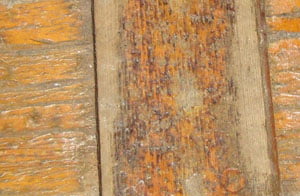
Peeling Deck Varnish
Deck stains are specially formulated to protect exterior wood by penetrating the surface and providing defense against the elements. Quality deck stains contain UV-blocking pigments and mildewcides to prevent fading, mold growth, and moisture damage.
Applying a clear sealer or polyurethane over a deck stain is not recommended because:
- Adhesion Issues – Clear coatings don’t bond well to most deck stains, leading to premature peeling and flaking.
- Lack of UV Protection – Clear sealers contain no pigments, meaning they offer no protection from the sun’s damaging UV rays. This will cause the deck stain underneath to fade and break down faster.
- Difficult Maintenance – Once polyurethane starts peeling over a deck stain, you’ll need to strip or sand the entire surface before re-staining.
What If You Want a Glossy or Shiny Deck Finish?
If you prefer a shinier look for your deck, the best approach is to choose a semi-gloss or satin-finish deck stain rather than trying to topcoat it with polyurethane. Some film-forming deck stains provide a richer sheen while still allowing for proper adhesion and durability.
For those considering a completely clear look, your only option is to strip off any existing stain and apply a clear sealer to bare wood. However, keep in mind that clear sealers do not provide UV protection, only water resistance.
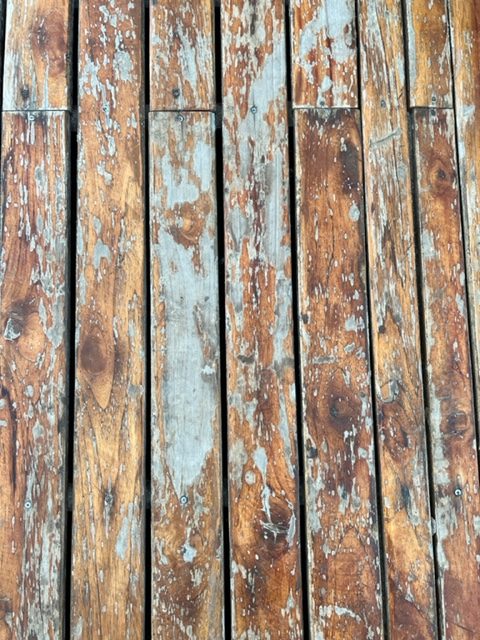
Peeling Polyurethane Deck
The Consequences of Using Polyurethane on Exterior Wood
Polyurethane is not designed for outdoor decks. While it works well for interior wood projects, it does not flex with outdoor temperature changes and will eventually crack, peel, and trap moisture underneath. Once this happens, maintaining your deck becomes a nightmare—you’ll need to remove all traces of the polyurethane before you can re-stain.
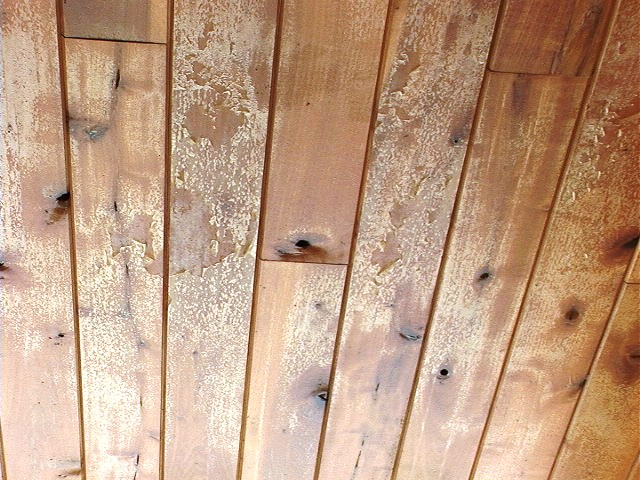
Peeling Polyurethane Exterior Wood
Final Verdict: Skip the Polyurethane Over a Deck Stain
Applying a clear sealer or polyurethane over a deck stain is not a good idea. Instead, choose the right deck stain from the start—one that offers the appearance and protection you need.
If you have any questions about deck stains, clear sealers, or maintenance, feel free to ask in the comments below!
